CompaniesMedium
Yutong to Build CNG Buses in Ibadan: What It Means for Fares
Chinese bus maker Yutong will supply 300 CNG buses, the first 100 to Lagos by December, and assemble later ones in Ibadan as Nigeria targets cheaper fares.
By Betini Udom Published 5 min read Editorial Policy Report a correction
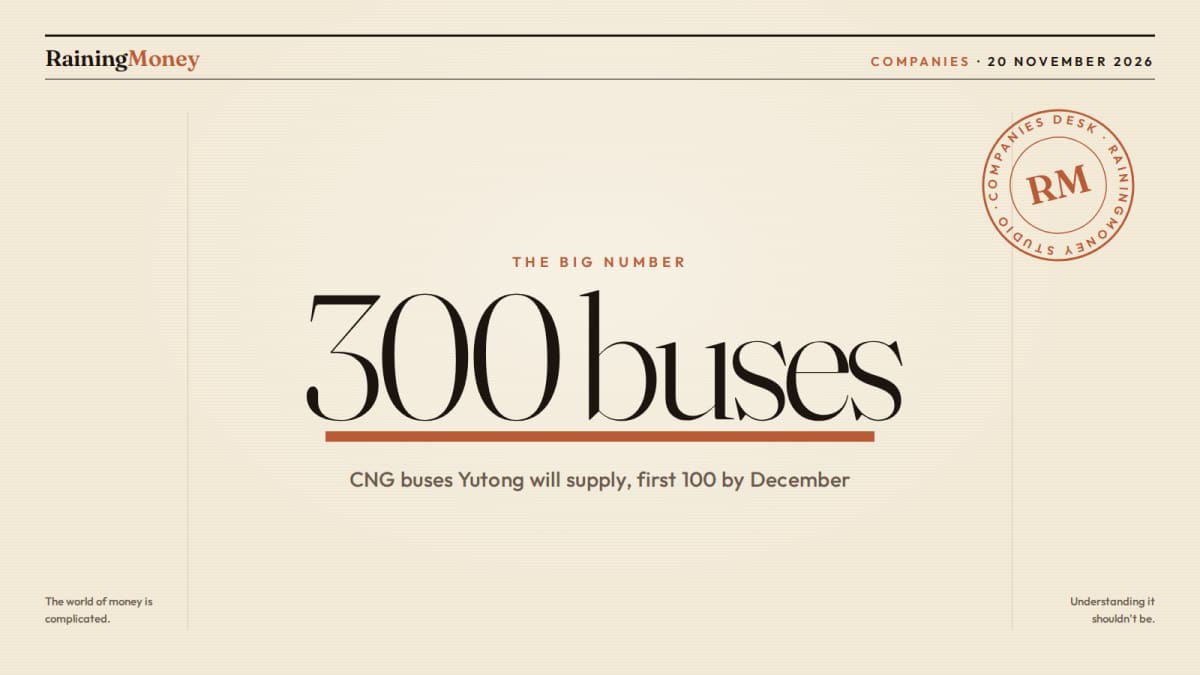
Yutong, a Chinese bus maker that describes itself as the world's largest, has agreed to supply 300 buses that run on compressed natural gas (CNG) to Nigeria and to help set up a plant in Ibadan, Oyo State, where later buses will be assembled. The first 100 buses are due in Lagos by the end of December 2026. The agreement was signed in Lagos on Thursday, 19 November, between Yutong, the Presidential Initiative on Compressed Natural Gas and Electric Vehicles (Pi-CNG) and the Nigerian company YP Industries.
The government says the aim is cheaper transport. The buses are part of the National Affordable CNG Transit Programme, which it runs with state governments and which targets fare cuts of about 40% on the routes it covers. That 40% is a target. No route has yet reported a fare cut of that size from these buses.
What did Nigeria actually agree with Yutong?
The deal has three parts, according to the presidency's statement and the signing ceremony:
- Imported buses first. Yutong will supply an initial 300 CNG-powered buses. The first 100 should reach Lagos by the end of December.
- Local assembly next. Later buses will be put together by YP Automobiles Bus Assembly at the former Leyland Automotive plant in Ibadan, a site that once built vehicles and has been reused for this project.
- Skills and jobs. The government says the plant will create work for engineers, technicians and factory staff, and bring technology transfer, meaning Nigerian workers learn how the buses are built and maintained.
The statements did not give the value of the investment, the plant's yearly capacity, or a date for the first bus to come off the Ibadan line.
What is CNG, and why does the government want buses to use it?
CNG is natural gas squeezed into a tank at high pressure so a vehicle can run on it. It does the same job as petrol or diesel in an engine, and Nigeria produces the gas at home. The head of the presidential CNG initiative, Ismaeel Ahmed, said at the signing that Nigeria has an estimated 210 trillion cubic feet of proven gas reserves.
The case for buses is simple arithmetic for transport operators. Fuel is one of the biggest costs of running a bus. If the gas costs less per kilometre than petrol or diesel, the operator spends less, and the government wants that saving passed on as lower fares. President Bola Tinubu said, as his office reported it, that lower running costs must reach passengers so workers, traders and families keep more of their income, and that the programme should be judged by how much Nigerians save on transport.
How much has the CNG push achieved so far?
Ahmed said about 140,000 vehicles have been converted to run on CNG in two and a half years, and that private investors have put about $2.6B into the CNG chain, from gas production to filling equipment. The government has also deployed mobile refuelling units, trucks that bring gas to where vehicles are, and the President has ordered 2,000 more CNG refuelling units across the country.
The record is uneven, though. One report this year found that CNG buses delivered to Kano were still off the roads seven months after their launch. RainingMoney has not independently confirmed that report. It shows the risk: buses help only if there is gas to fill them, trained mechanics to fix them and routes for them to run on.
What could a 40% fare cut mean for a commuter?
A worked example, derived from the government's 40% target and an illustrative fare: if a daily trip costs ₦1,000 each way, that is ₦2,000 a day. A 40% cut would bring it to ₦1,200 a day, a saving of ₦800. Over 22 working days, that is ₦17,600 a month. The real saving will depend on the route, the fare the operator charges and whether the target is met. No fares for the new buses have been announced.
Who is Yutong, and has it worked in Nigeria before?
Yutong sold 49,518 buses worldwide in 2025, according to the presidency's statement. Damian Li, an account manager at the company, said at the signing that it has already delivered more than 1,400 buses to Nigeria, and that it plans to build local production gradually. The company has run local assembly and public transport projects in several other countries.
Why does local assembly matter?
Most buses on Nigerian roads are imported whole. That costs dollars, and when the naira weakens, the price of a new bus rises. Assembling buses in Ibadan would keep part of that spending at home and create jobs.
Yemi Idowu, chairman of Loyla in Ibadan, said at the signing that the jobs would reach beyond the plant, into maintenance, spare parts, technical services and making smaller parts. He noted that a bus can stay in use for more than 15 years, so a fleet creates demand for trained mechanics for a long time. Ahmed said the government is working with the Industrial Training Fund, the National Institute for Transport Technology and the Federal Road Safety Corps to train mechanics and raise safety standards.
RainingMoney's reading: assembly is the first rung. The bigger gains come if more of the parts are eventually made in Nigeria too. The agreement as announced speaks of building capacity gradually, and gives no target for how much of each bus will be made locally.
What we don't know yet
- The money. No investment figure for the Ibadan plant has been published.
- The timeline. Only the first 100 buses have a date. There is no date for local assembly to start.
- The fares. The 40% cut is a target, and operators have not published prices.
- Where the buses go. Apart from the first 100 for Lagos, the routes and states have not been named.
The first test comes in December, when the first 100 buses are due in Lagos.
Sources & Verification
- Sources: BusinessDay
- Editorial note: This explainer is an original RainingMoney adaptation of the report, RainingMoney has added explanatory context.

Founder and Editor-in-ChiefAbuja
Betini Udom
Founder and Editor-in-Chief of RainingMoney. Covers Nigerian, pan-African and global markets, finance and economic policy.
Author profile & archive →The Money Print
Market intelligence before the market opens.
Pan-African capital flows and the stories behind the numbers, on weekday mornings.