MarketsHigh
Why the US Dollar Fell After Democrats Won Congress
The US dollar hit a one-month low as Democrats were projected to win Congress. We explain the AI-growth fear behind it and what it means for oil and exporters.
By Betini Udom Published 5 min read Editorial Policy Report a correction
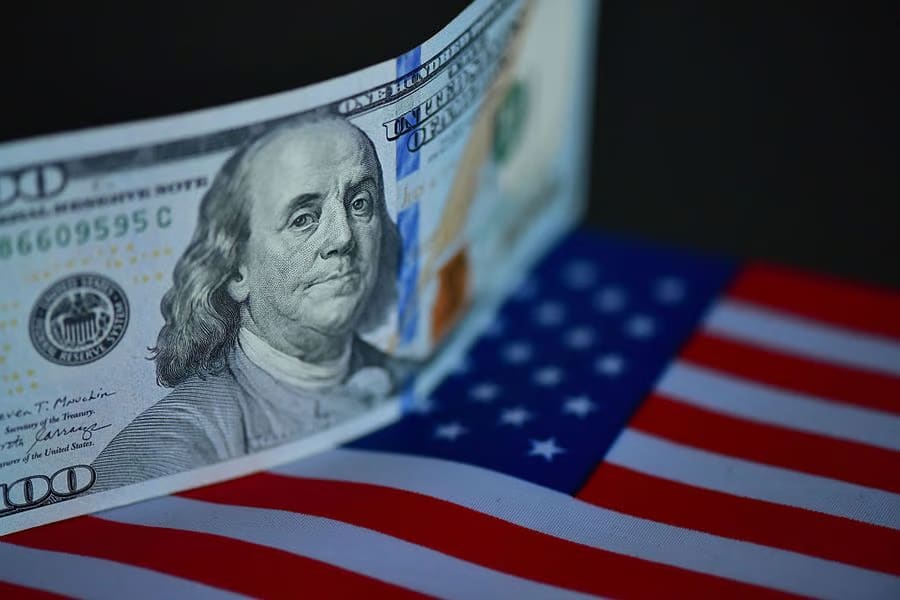
America voted on Tuesday 3 November in its midterm elections. As results came in, markets reacted before the counting was finished. Investors sold the dollar and US stocks and moved into government bonds. By Wednesday 4 November the dollar index, which tracks the dollar against six major currencies, stood at 101.41, a one-month low.
Broadcasters projected that Democrats won control of the Senate and the House of Representatives, ending Republican control of Congress under President Donald Trump. Those are projections. Final seat totals and the size of the majorities were not settled when this was written.
In Simple Terms
The dollar is the world's main currency. Oil is priced in it, and much of the world's debt is owed in it. When investors expect the US economy to grow more slowly, they tend to hold fewer dollars, and the dollar weakens. This week the expected slowdown came from a specific source: the belief that a Democratic Congress will examine artificial intelligence companies and data centres more closely, and that US growth has been relying on exactly that spending.
The Money
| Item | Level on 4 November |
|---|---|
| Dollar index | 101.41, one-month low |
| Euro | $1.1236 (+0.4%) |
| Sterling | $1.3475 (+0.46%) |
| Dollar vs yen | 158.09 (−0.38%) |
| Dollar vs Swiss franc | 0.8162 (−0.54%) |
| Offshore yuan | 6.6755 per dollar (−0.1%) |
| US 10-year yield | About 4.92% |
| Oil | About $103.75 a barrel |
| Bitcoin | About $78,300 |
The Numbers
The Senate. Before the election, Republicans held 53 seats and Democrats 47, a six-seat Republican majority. Democrats needed a net gain of four. Projected Democratic flips were Texas, North Carolina, South Carolina, Ohio, Kansas and Iowa, with Georgia and New Hampshire projected to stay Democratic. Among the early results, Democrats won Senate seats in South Carolina and North Carolina, the first in a state Trump carried by nearly 18 points two years earlier.
The currency moves. The size of each currency move was modest, between 0.3% and 0.9% depending on the source and the time of day. Such moves are normal in news-driven sessions. What stood out was the direction: the dollar, bond yields and technology shares all moved together, which suggests a coordinated view rather than random noise.
Other reported moves. One report put gold above $4,000 an ounce, up more than 2%. Tesla fell about 4.5% to 5% in early European trading on one platform. We have a single source for each, so they should be treated as indicative.
Follow the Money
The route from ballot box to currency is worth tracing:
- Election result. Democrats are projected to control Congress.
- Policy expectation. Investors expect more oversight of AI companies, more scrutiny of data-centre projects, and probably less government spending.
- Growth expectation. AI-related investment has been a major engine of recent US growth. If it slows, so does the economy.
- Rates and bonds. Slower growth means less need for the central bank to raise rates. Investors buy bonds, pushing yields down. The 10-year yield fell to around 4.92%.
- Currency. Lower yields and weaker growth reduce the appeal of holding dollars. The dollar falls against the euro, pound, yen and franc.
- Spillover. Technology shares, especially those exposed to regulation, fell. The Nasdaq lagged.
The Bigger Picture
The political background. The Senate result came in a year of strain. The war with Iran and the disruption around the Strait of Hormuz pushed fuel prices up, and those prices put more states in play for Democrats. Oil is above $100.
The limits of the move. Passing federal AI legislation is hard when President Trump holds a veto, a point OCBC's Moh Siong Sim made. Convera's George Vessey described the election as a constraint on future policy rather than a threat to the US growth story. Before the results, Pepperstone's Chris Weston said a narrow Democratic win could already be in prices, with the margin of victory the more important variable.
Other central banks. The Bank of England decides on rates on Thursday and is widely expected to raise them for the first time since August 2023, which supports sterling. China's central bank raised the foreign-currency reserve requirement for banks, a step to slow the yuan's rally.
The counter-risk. A Commonwealth Bank of Australia analyst pointed out that an escalation around Iran could send oil sharply higher, which would tend to support the dollar and could overwhelm the political story.
The Jargon
- Dollar index: a measure of the dollar against a basket of six major currencies.
- Yield: the return on a bond. When bond prices rise, yields fall.
- Basis point: one hundredth of a percentage point.
- Safe haven: an asset investors buy when they are nervous, such as US bonds, gold or the Swiss franc.
- Veto: the president's power to reject a law passed by Congress.
- Priced in: already reflected in market prices.
What Happens Next
Known. The Bank of England will announce its decision on Thursday, and the final seat counts will clarify how large the Democratic majorities are.
Possible. The dollar could slide further if bond yields keep falling and data show slower growth. It could also rebound if oil spikes or if the AI-regulation fear proves overdone.
Unknown. Whether Congress actually delays data-centre projects, whether companies change AI spending plans, and how the Federal Reserve will read all this.
Rainingmoney's Take
This section is Rainingmoney's reading.
The market made a bet on an unproven link between a ballot result and AI spending. The evidence so far is price action, not policy. For African readers, the relevant question is what the dollar's direction does to the things that matter locally. Oil above $100 helps exporters such as Nigeria. A weaker dollar can ease dollar debt costs and import bills. But a dollar that falls because US growth is cooling can drag global demand and commodity prices with it. We would watch oil, the dollar index and bond yields together, and treat a single day's move with caution.
Sources & Verification
- Sources: Rainingmoney Global Markets Desk compilation from Euronext market news · Yahoo Finance currency report · CBS News Senate projection · Associated Press election data
- Editorial note: This explainer is an original RainingMoney adaption of the report, RainingMoney has added explanatory context.

Founder and Editor-in-ChiefAbuja
Betini Udom
Founder and Editor-in-Chief of RainingMoney. Covers Nigerian, pan-African and global markets, finance and economic policy.
Author profile & archive →The Money Print
Market intelligence before the market opens.
Pan-African capital flows and the stories behind the numbers, on weekday mornings.