
EnergyHigh
Why a reported US strike on Iran moves oil prices, and what it could mean at Nigerian pumps
Oil rose after a report of a US strike on Iran, a day after a 7% fall. Here is why headlines move crude, and how that can eventually reach the price Nigerians pay for fuel.
By Janefrances Neche Published 6 min read Editorial Policy Report a correction
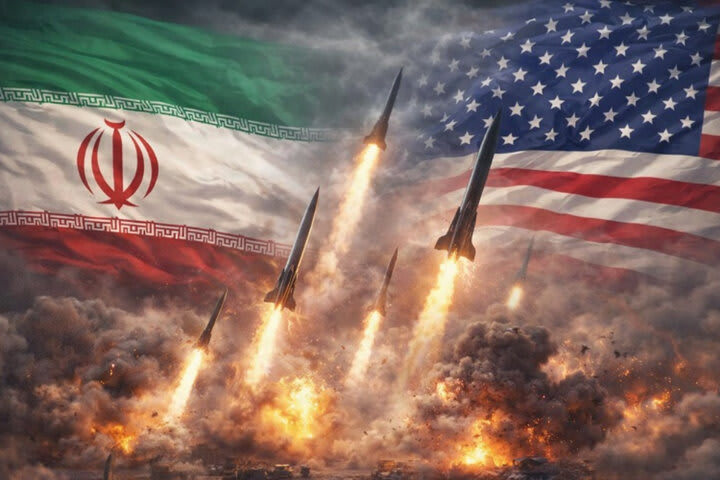
Oil prices bounced up after a report that the United States struck an island in Iran. The day before, oil had dropped 7%. If you buy petrol, diesel or gas, or pay for transport, those swings matter to you, even when they happen thousands of kilometres away.
This explainer walks through what happened, what the terms mean, and how a headline about a strike can end up in your pocket. It also says plainly what we do not know.
What happened to oil prices?
Crude oil shed 7% in a single day. Then it edged up again. At the time the source was written, Brent crude traded at $105.26 a barrel. West Texas Intermediate, the main American price, traded at $97.07 a barrel.
Brent is the price most of the world uses as a guide, including Nigerian oil sellers. WTI is the American version. The gap between them was $8.19 a barrel. That is our own sum (derived): $105.26 minus $97.07.
A barrel is a standard measure of oil, about 159 litres. So $105.26 for a barrel works out to roughly $0.66 per litre of raw crude (derived, using that general conversion). That is not the price at the pump. Crude must be refined into petrol or diesel, moved, stored and taxed first. But it shows that crude is the starting cost.
Why did prices jump?
One report, citing unnamed US officials, says the US struck Iran's Qeshm Island. The officials reportedly described it as the latest in a series of limited strikes Washington has secretly carried out over the past few weeks.
This is unconfirmed. It rests on unnamed officials, and we have not seen a statement from the US government or from Iran confirming the strike. Treat it as a claim, not a proven fact.
It cuts against other coverage. That coverage said diplomacy was continuing and that President Trump was not determined to restart strikes. Trump said on Monday that the US had won a war with Iran. He added that he doubted it could even be called a war, because there had been no fighting for months.
What is a 'risk premium'?
One market analyst said the report added a degree of risk premium back into the oil price. A risk premium is extra money buyers are willing to pay because they fear supply could be cut.
Think of a trader in a market who hears that the road carrying tomatoes may be blocked. She buys extra stock now and is willing to pay a bit more. The tomatoes have not stopped coming yet. The fear alone lifts the price.
The same analyst said markets had started to price in a more diplomatic path. The strike report, in the analyst's view, flipped the tone. When hope of peace rises, the premium shrinks and prices fall. When military news returns, the premium grows and prices rise.
Why had oil fallen 7% the day before?
According to the source, hopes of a diplomatic solution drove prices lower at the start of the week. Officials from Iran and Qatar held talks. Traders focused on the fact that talks were happening.
They did this even though Iran said all seven of its conditions would need to be met for a peace deal to be agreed. We do not know what those seven conditions are. The source does not list them. We also do not know how close any deal is.
RainingMoney's reading: the 7% fall suggests traders were reacting to hope, not to a signed agreement. That is why a single report can undo part of it.
Is the war really that big for oil supply?
The source describes the war as having caused the most severe disruption in global oil and gas supply in history. That is a strong claim, and the article does not back it with numbers. We cannot say how much supply has been lost or for how long.
What we can say is that when a major oil-producing region is at war, buyers worry about physical barrels reaching ships and refineries. Physical supply is what ultimately sets the price over time. Headlines move the price on a given day.
Will prices keep rising?
Nobody knows, and the analysts quoted disagree on the details. Some believe the war premium is already built into prices. In that view, a further rally would only come if physical oil supply is disrupted more.
One analyst put it this way. Unless there is concrete evidence of further disruption to physical supplies or critical energy infrastructure, fresh headlines alone may struggle to sustain another rally.
In plain words: rumours can push prices up for a day. For prices to stay high, barrels must actually go missing. If this report turns out to be thin, or if talks progress, prices could fall again. If further strikes damage energy facilities, they could climb.
How does this reach the Nigerian pump?
The source says nothing about Nigerian fuel prices, so what follows is general explanation, not reporting on a specific price change.
Step by step, it usually works like this:
- Crude price rises. Refiners and fuel importers pay more for their raw material or for finished fuel priced off it.
- Depot prices adjust. Fuel sellers who buy from depots or refineries pay more per litre and pass it on.
- Pump prices follow. Filling stations raise prices when their next supply costs more. This can take days or weeks.
- Other prices follow. Transport fares, the cost of running generators, and the cost of moving food and goods rise as fuel gets dearer.
The speed and size of this effect depend on things the source does not cover. These include the naira exchange rate, taxes, how fuel is priced in Nigeria at the time, and how much fuel is refined at home.
Does Nigeria gain from higher oil prices?
Nigeria sells crude, so higher oil prices can bring in more dollars. That is a general point, and the source does not discuss Nigeria's earnings. More dollars can help government revenue and the foreign currency supply.
But the gain is not automatic. It depends on how much oil Nigeria actually produces and sells. And households can feel the pain of dearer fuel before any national benefit shows up in their lives. Both effects can exist at once.
What should a reader take from this?
- The price move is a reaction to a report that is unconfirmed and based on unnamed officials.
- A 7% fall followed by a small rise shows how jumpy the market is. It does not show a settled trend.
- Analysts quoted disagree on how much further prices could rise. Their shared point is that real supply disruption matters more than headlines.
- Pump prices usually react to crude with a delay. A daily swing in Brent does not mean your fuel price changes tomorrow.
What is still not known?
Several things are unclear from the source:
- Whether the strike on Qeshm Island happened as reported, and what damage it caused.
- What Iran's seven conditions for a peace deal are, and whether the US or Qatar accept them.
- How much oil and gas supply is actually missing from the market right now.
- How and when any of this will show in Nigerian pump prices.
Sources & Verification
- Source : OilPrice
- Editorial note: This explainer is an original RainingMoney adaptation of the report, RainingMoney has added explanatory context.

Correspondent, AbujaAbuja
Janefrances Neche
Janefrances is a finance correspondent specializing in emerging markets, consumer economics, and policy analysis. Most recently reporting for regional business desks, she has tracked shifting…
Author profile & archive →The Money Print
Market intelligence before the market opens.
Pan-African capital flows and the stories behind the numbers, on weekday mornings.