CompaniesLow
Dangote eyes Egypt: what the talks mean and what is still unknown
Dangote Group is exploring industrial investment in Egypt after a ministerial visit to Lagos. No deal is announced. Here is what is known, what is not, and why it matters.
By Betini Udom Published 6 min read Editorial Policy Report a correction
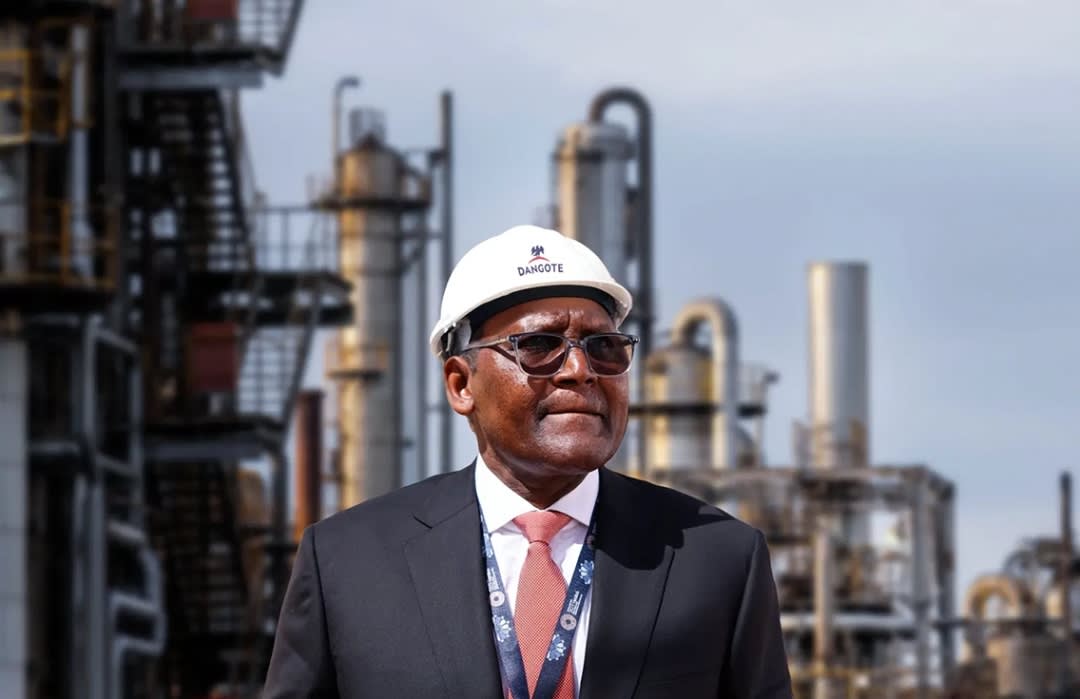
Dangote Group is exploring ways to invest in industry in Egypt. That is the key fact, and it is early. No deal has been announced. No amount, site or start date has been given.
This explainer sets out what happened, what the terms mean, and what it could and could not mean.
What actually happened?
A high-level Egyptian delegation visited the Dangote Industries complex in Lagos. It was led by Egypt's Minister of Investment and Foreign Trade, Dr Mohamed Saleh. Officials from Egypt's Ministry of Petroleum came along, together with senior executives from Egypt's oil and petrochemical industry.
The group met senior Dangote executives. The aim, the article says, was to identify areas for industrial collaboration, investment partnerships and capacity expansion in key sectors.
Following that visit, Dangote Group is exploring opportunities to expand into Egypt. The word that matters is exploring. It means talks and study. It does not mean a signed agreement or money committed.
Who said what?
Aliko Dangote, President and Chief Executive of Dangote Industries Limited, described the visit as a symbol of African economic integration. He said African businesses must invest across the continent to speed up industrialisation and economic development. He also said the visit let the Group show the scale of industry it has built.
Minister Saleh said the mission was meant to turn existing diplomatic and business contacts between Nigeria and Egypt into concrete investment opportunities and industrial partnerships. He said the visit followed earlier meetings involving Dangote Group at the Alamein Economic Conference and other investment forums hosted by Egypt.
He also said Egypt is interested in what Dangote has built in refining, petrochemicals, fertiliser production and related manufacturing. In his words, the private sector must be at the centre of the partnership.
What do these industry words mean?
- Refining: turning crude oil into products such as petrol, diesel and aviation fuel.
- Petrochemicals: products made from oil and gas that become raw material for plastics, packaging and many everyday goods.
- Fertiliser production: making the nutrients farmers put on their land to grow more food.
- Industrial capacity: how much a factory or group of factories can make in a given period.
- Pan-African expansion: a company based in one African country building or buying businesses in others.
Why Egypt?
The article does not give a full reason, so treat this section with care. What it does say is that Egypt wants to learn from Dangote's work in refining, petrochemicals and fertiliser, and that the Egyptian side brought oil and petrochemical officials and executives.
The article also describes Nigeria and Egypt as Africa's two largest economies. Both countries have oil and gas industries and large populations, which may be part of the interest. That is RainingMoney's reading, not something the source states.
Is this a done deal?
No. The article describes a company exploring opportunities after a visit. It reports no signed agreement, no investment figure, no named project and no timetable. Our Daily Brief note makes the same point: the move could affect jobs and investment, but no decision has been announced.
Talks like these can lead to a deal, can take a long time, or can end without one. The article gives no way to tell which is likely here.
How does a company expand into another country?
This is general explanation of how such moves usually work, not a description of what Dangote will do.
- Talks and visits. A company and a government study the opportunity. This is the stage reported here.
- Studies. The company checks demand, costs, land, power, gas or crude supply, rules and taxes.
- An agreement. This can be a joint venture, where two businesses share ownership of a project, or a company building on its own.
- Funding. The money comes from the company's own cash, bank loans, partners or a mix.
- Building and hiring. Plants are built, workers are hired and production begins.
The reported news sits at step one.
What could this mean for jobs?
The source gives no jobs numbers. So there is nothing to say about how many jobs might be created, or where.
As a general matter, a factory built in Egypt would mostly create construction and operating jobs in Egypt. Nigerian jobs would depend on other things, such as whether the Group's Nigerian operations grow, or whether engineers and managers move between countries. Those points are RainingMoney's reading. The article does not address them.
What could this mean for investment?
Investment means money put into building or buying something that is meant to earn over time. When a Nigerian company invests abroad, that money is spent outside Nigeria. When foreign investors put money into Nigeria, it flows the other way.
The article does not say how much Dangote might invest or how it would be paid for. Egypt's minister said he wants to encourage investment flows between both countries. That suggests the interest is in money moving in both directions, but the article gives no detail.
Will this affect prices of fuel, fertiliser or other goods in Nigeria?
Nothing in the article says so. The talks are about possible industrial collaboration and capacity expansion. They do not mention Nigerian prices, supply or exports.
Prices of petrol, diesel and fertiliser at home depend on many factors, and no announced Egypt plan has changed any of them. Readers should not expect a change at the pump or in the market from this news alone.
What is Vision 2030?
The article links Egypt to the Group's Vision 2030 expansion agenda. It does not explain what the agenda contains, so we cannot say what targets it sets. We will not guess at them here.
What does this tell us, and what does it not?
What it tells us:
- Egypt's government is courting Nigerian industrial investment and sent a senior team to Lagos.
- Dangote Group is open to taking its industrial model to other African countries.
- Both sides say they want the private sector to lead.
What it does not tell us:
- Whether any investment will be made, or how large it would be.
- Which sector or location is under consideration.
- Whether there are partners, and who they are.
- How the plan would be funded.
- What it means for jobs or prices in Nigeria.
What should readers watch for next?
The next signs of progress would be concrete. These include a signed agreement, a named project, a stated amount, or a filing or statement from the company. Until one of those appears, this remains a set of talks.
The story is also part of a wider picture of African companies investing across borders. Cross-border investment can widen a firm's markets and spread its risks. It can also bring new challenges, such as different rules, currencies and costs. The source discusses none of this, so these are general points rather than findings about this case.
The bottom line
Dangote Group is exploring industrial investment in Egypt after an Egyptian ministerial delegation toured its Lagos complex. The leaders on both sides spoke of African integration and private-sector partnership. No deal, amount, site or timetable has been announced. For now, the news is a signal of interest, not a change to jobs, prices or your money.
Sources & Verification
- Source: Punch
- Editorial note: This explainer is an original RainingMoney adaptation of the report, RainingMoney has added explanatory context.

Founder and Editor-in-ChiefAbuja
Betini Udom
Founder and Editor-in-Chief of RainingMoney. Covers Nigerian, pan-African and global markets, finance and economic policy.
Author profile & archive →The Money Print
Market intelligence before the market opens.
Pan-African capital flows and the stories behind the numbers, on weekday mornings.