
TechnologyHigh
How an $11.4M Nvidia Chip Heist Hits Tech Supplies and Prices
Six pallets of high-value Nvidia microchips worth $11.4M disappeared en route to Texas. Here is how freight heists work and what it means for tech prices.
By Betini Udom Published 5 min read Editorial Policy Report a correction
What happened to the missing hardware shipment?
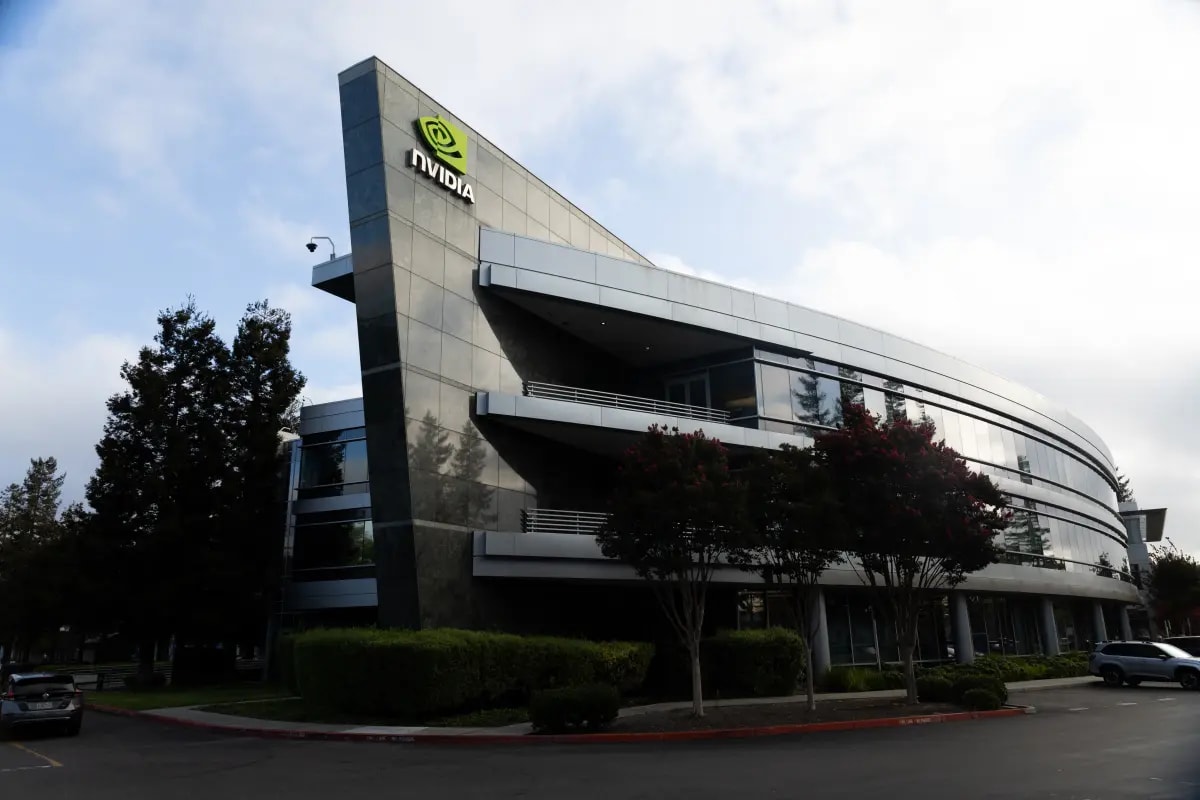
A high-value freight truck carrying microprocessing hardware worth $11.4 million—or roughly ₦18.24 billion at current parallel exchange rates—vanished after departing a logistics terminal in Oakland, California. The shipment, consisting of six heavy pallets loaded with advanced computing equipment designed by microchip giant Nvidia, was scheduled to travel across the United States to a facility in Fort Worth, Texas.
According to law enforcement records and court filings, the transport truck pulled out of the California port corridor on 29 August 2026. However, the cargo never reached its Texas destination. The loss went unnoticed in dispatch tracking systems for days, and logistics managers did not formally report the disappearance to the Oakland Police Department until 13 September 2026. By the time police opened their investigation, the truck and its multi-million-dollar cargo had completely vanished from tracking networks.
Investigators suspect that organized cargo crime rings executed the robbery using a technique known as "strategic theft"—where criminal groups create fake freight transport companies, bid for high-value shipping contracts on digital load boards, and simply drive off with the cargo once loaded at the warehouse dock.
What do terms like cargo theft, pallets, and GPUs mean here?
To understand why a six-pallet theft makes global news, it helps to break down the key terminology behind high-tech shipping:
- Pallet: A standardized wooden or plastic flat structure used to stack and consolidate goods for transport. A single shipping pallet can hold hundreds of compact, high-value electronic units wrapped securely in protective packaging.
- GPU (Graphics Processing Unit): A specialized electronic circuit designed to manipulate and alter memory to accelerate computer graphics and artificial intelligence processing. Modern high-end GPUs range in price from $1,500 for consumer gaming models to over $30,000 for single enterprise-grade AI processors.
- Strategic Freight Theft: A method of stealing goods where criminals use stolen identities, forged trucking permits, or fictitious logistics entities to legally gain possession of freight from shipping bays without resorting to physical violence on the highway.
- Load Board: An online marketplace where freight brokers and trucking companies match available cargo shipments with independent truck drivers.
How does cargo theft happen step by step?
High-value technology components move through a complex logistics chain before reaching store shelves or corporate data centers. When a company books a shipment, the process follows distinct operational steps—and each step creates potential entry points for criminal deception:
- Dispatching and Load Booking: A manufacturer or distributor posts a shipping route on a commercial freight network. Criminals intercept the contract by impersonating a verified trucking provider using stolen credentials.
- Dock Pickup: The fraudulent driver arrives at the warehouse loading dock with a legitimate-looking rig, signs the bill of lading (the shipping manifest), and loads the cargo pallets.
- Route Deviation: Once outside the perimeter of the facility, the driver disables or tampers with onboard GPS tracking units, rerouting the vehicle to an unauthorized warehouse or drop-off point.
- Cargo Offloading & Distribution: The stolen pallets are quickly broken down, stripped of serial number tracking tags where possible, and sold into grey market distribution networks across international borders.
Why does this matter for everyday consumer prices and money?
When $11.4 million worth of microchips vanishes into thin air, the financial loss rarely remains confined to the shipping company or the insurance underwriter. The cost of cargo crime propagates through the broader economy in three direct ways:
1. Higher Insurance Premiums for Tech Freight: Insurance companies underwriting freight logistics adjust their premium rates based on risk. As organized cargo theft incidents increase across major transit routes, freight carriers must pay significantly higher insurance fees. Freight companies pass these rising overhead costs directly to electronics manufacturers, who then embed them into retail prices.
2. Supply Scarcity and Price Markup: Microchips remain in tight supply globally due to intense demand for computing power. Losing six full pallets of hardware creates an immediate deficit in regional distribution centers. For small businesses, IT repair centers, and hardware retailers, supply disruptions mean paying higher wholesale prices to secure inventory.
3. Increased Cloud and Software Costs: When enterprise-grade data center hardware is stolen, corporate technology deployments face construction delays. Enterprise clients must spend additional capital to order replacement units, raising the operational cost of hosting cloud software, artificial intelligence tools, and digital platforms.
What does this tell us—and what remains unknown?
This incident highlights a growing vulnerability in modern technology supply chains: hardware has become so valuable per kilogram that transport trucks are now prime targets for organized crime syndicates. A single truckload of microprocessors can carry a higher dollar value than a truckload of precious metals or luxury goods, while being far easier to liquidate on unauthorized global secondary markets.
However, several critical operational facts remain unconfirmed in public legal filings:
- Exact Model Breakdown: Public court filings do not reveal whether the stolen pallets contained consumer-grade graphics cards or specialized server-class AI chips.
- Identity of the Freight Carrier: Official records have not publicly named the contracted freight brokerage or transport firm involved in the transit breakdown.
- Recovery Progress: Police records indicate that law enforcement agencies lost track of the vehicle in early September 2026, and no suspect arrests or hardware recoveries have been officially confirmed to date.
What questions will tech buyers and investors ask next?
Will this theft affect consumer chip availability immediately?
For individual buyers, a single $11.4 million shipment theft represents a fraction of total global output. However, localized supply pinches may occur in specific regional distribution centers waiting on that specific Fort Worth shipment.
How will logistics firms prevent similar thefts in the future?
Shipping companies are increasingly adopting real-time IoT tracking sensors embedded inside individual pallets, biometric driver verification at loading docks, and armed security escorts for high-value microelectronics shipments valued above $5 million.
Sources & Verification
- Sources & Documents Referenced:
- Alameda County Superior Court Filings & Oakland Police Department Incident Docket #2026-NVD-0913
- U.S. National Insurance Crime Bureau (NICB) Cargo Theft Logistics Report (Reference Data)
- Editorial note: RainingMoney has added explanatory context.

Founder and Editor-in-ChiefAbuja
Betini Udom
Founder and Editor-in-Chief of RainingMoney. Covers Nigerian, pan-African and global markets, finance and economic policy.
Author profile & archive →The Money Print
Market intelligence before the market opens.
Pan-African capital flows and the stories behind the numbers, on weekday mornings.