CompaniesHigh
Dangote Refinery IPO Cleared: Refunds, Shares and Listing
The SEC has approved how Dangote Refinery shares are shared out. What nearly 3.8 million applicants can expect on allotment, refunds and the NGX listing date.
By Betini Udom Published 6 min read Editorial Policy Report a correction

Nigeria's Securities and Exchange Commission (SEC) approved the plan for sharing out Dangote Petroleum Refinery's new shares on Monday 23 November 2026, people familiar with the matter said. The approval of the "basis of allotment" is the last regulatory step before the refinery can credit shares to investors, send back surplus money and list on the Nigerian Exchange (NGX). A Dangote Group spokesperson declined to comment, and the SEC did not immediately respond to questions.
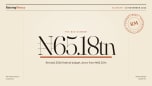
The offer drew applications worth about ₦5.85tn from nearly 3.8 million subscribers, who asked for about 11.15 billion shares at ₦525 each. The refinery had put 4.1 billion shares on sale. For the millions who applied, the questions now are practical: how many shares will I get, when does my extra money come back, and when can I trade?
What exactly did the SEC approve?
When a share sale attracts more money than there are shares, the company and its advisers propose a basis of allotment: a formula that decides who gets what. The SEC has to sign off on that formula before anyone is told their final number of shares. That sign-off is what came through on Monday.
One thing remains open. The refinery has asked to enlarge the offer by up to 30%, from about $1.62B to $2.1B, which would raise the shares on sale from 4.1 billion to as many as 5.33 billion, including an overallotment option. Reports of Monday's approval say clearing the allotment plan does not by itself confirm that the larger offer size has been approved. Until the company or the regulator publishes the final allotment, the exact number of shares sold is unconfirmed.
How many shares will small investors get?
The prospectus allows the company to set a full-allotment threshold: every valid application at or below that size gets all the shares it asked for, and larger applications share what is left. The smallest application allowed was 10 shares, which at ₦525 a share comes to ₦5,250 (derived: 10 × ₦525).
Under the plan as reported, retail investors were expected to receive every share they applied for. Local pension funds were expected to get close to what they asked for, and foreign investors were expected to take most of the cut. This rests on people familiar with the plan, so treat it as unconfirmed until the allotment announcement names the threshold.
The demand on the other side of the cut was large. South Africa's Public Investment Corporation reportedly applied for about $500M of shares, and Nigerian pension fund administrators for between $400M and $500M. Three large subscribers alone accounted for about 46.72% of all shares applied for, worth about ₦2.73tn. These are the applications most likely to be scaled back.
| Item | Figure |
|---|---|
| Offer price | ₦525 a share |
| Shares first offered | 4.1 billion (about ₦2.15tn) |
| Shares if the 30% upsize is approved | up to 5.33 billion |
| Shares applied for | about 11.15 billion |
| Value of applications | about ₦5.85tn |
| Subscribers | nearly 3.8 million |
| Minimum application | 10 shares (₦5,250) |
| Refund window | within five business days of the allotment date |
| Trading start in the prospectus | 15 business days after allotment |
How much money is going back to applicants?
A lot. Investors applied for roughly 2.7 times the shares first offered (derived: 11.15 billion ÷ 4.1 billion). Even if the full 30% increase goes through, at least about 5.82 billion of the shares applied for cannot be filled (derived: 11.15 billion − 5.33 billion). At ₦525 each, that is about ₦3.06tn heading back to applicants (derived: 5.82 billion × ₦525). If the increase is not approved, the unfilled amount rises to about 7.05 billion shares, or roughly ₦3.70tn (derived: 11.15 billion − 4.1 billion, × ₦525).
The prospectus says surplus application money, with any interest or profit it has earned where that applies, is expected back within five business days of the allotment date. If the allotment date is Monday's approval, five business days would run to Monday 30 November (derived by counting working days from 23 November). The company has not published that date, so the real deadline may fall a little later.
RainingMoney's reading: if retail applications are filled in full, most small investors will see little or no refund. The money flowing back will be concentrated among the big institutional and foreign bidders who asked for far more than they can get.
When will the shares start trading?
Here the reports differ. The prospectus timetable puts the start of trading 15 business days after allotment. When the allotment was expected on 17 November, that pointed to around 8 December, with the company aiming to list sooner if regulators allowed. Counting 15 business days from Monday 23 November instead gives Monday 14 December (derived). Reporting after Monday's approval says the listing is expected later this month.
So the honest answer is that no listing date has been announced. The window runs from late November to mid-December, and the NGX's own listing notice will settle it.
What should applicants check before then?
Shares bought in a Nigerian public offer are held electronically by the Central Securities Clearing System (CSCS), the depository that keeps the record of who owns which listed shares. Applicants need a valid CSCS account linked to their stockbroker for the shares to land where they can be sold or held.
Until the shares are credited and trading begins, they cannot be sold on the exchange. This article does not tell anyone whether to keep or sell shares once trading starts.
What does this listing mean for the NGX?
The offer was billed as Africa's biggest share sale when the SEC cleared it in September, and Aliko Dangote marketed it as the "people's IPO". Retail investors subscribed mainly through fintech and digital platforms, many of them buying shares for the first time.
The company it lists is large and, on recent figures, profitable. For the nine months to September 2026 the refinery reported revenue of $22.48B and profit after tax of $4.73B, against a loss of about $117M a year earlier. The 700,000 barrels-a-day plant in the Lekki Free Zone plans to double capacity to 1.4 million barrels a day by 2029, at an estimated cost of $14.3B over five years. Dangote has also spoken of a possible secondary listing in the United States within three to four years.
RainingMoney's reading: a company of this size joining the NGX gives local pension funds and fund managers a large new stock to hold, and millions of first-time investors a reason to keep a brokerage account open. How smoothly refunds and share credits run over the next three weeks will shape whether those new investors stay.
What is still unknown?
- The final number of shares sold, which depends on whether the 30% increase is approved.
- The full-allotment threshold that decides which applications are filled in full.
- The official allotment date, which starts the five-day refund clock.
- The first day of trading on the NGX.
Each of these should appear in the allotment announcement and the exchange's listing notice. Until they are published, any figure circulating about individual allocations is guesswork.
Sources & Verification
- Sources" BusinessDay
- Editorial note: This explainer is an original RainingMoney adaptation of the report, RainingMoney has added explanatory context.

Founder and Editor-in-ChiefAbuja
Betini Udom
Founder and Editor-in-Chief of RainingMoney. Covers Nigerian, pan-African and global markets, finance and economic policy.
Author profile & archive →The Money Print
Market intelligence before the market opens.
Pan-African capital flows and the stories behind the numbers, on weekday mornings.