EconomyMedium
Uganda's Gold Exports Double to $8.9B as Congo Doubts Grow
Uganda earned $8.9B from gold exports in the year to June, up from $4.2B. Why the jump raises questions about Congo's gold, and what it tells African economies.
By Chiamaka Prudence Published 5 min read Editorial Policy Report a correction
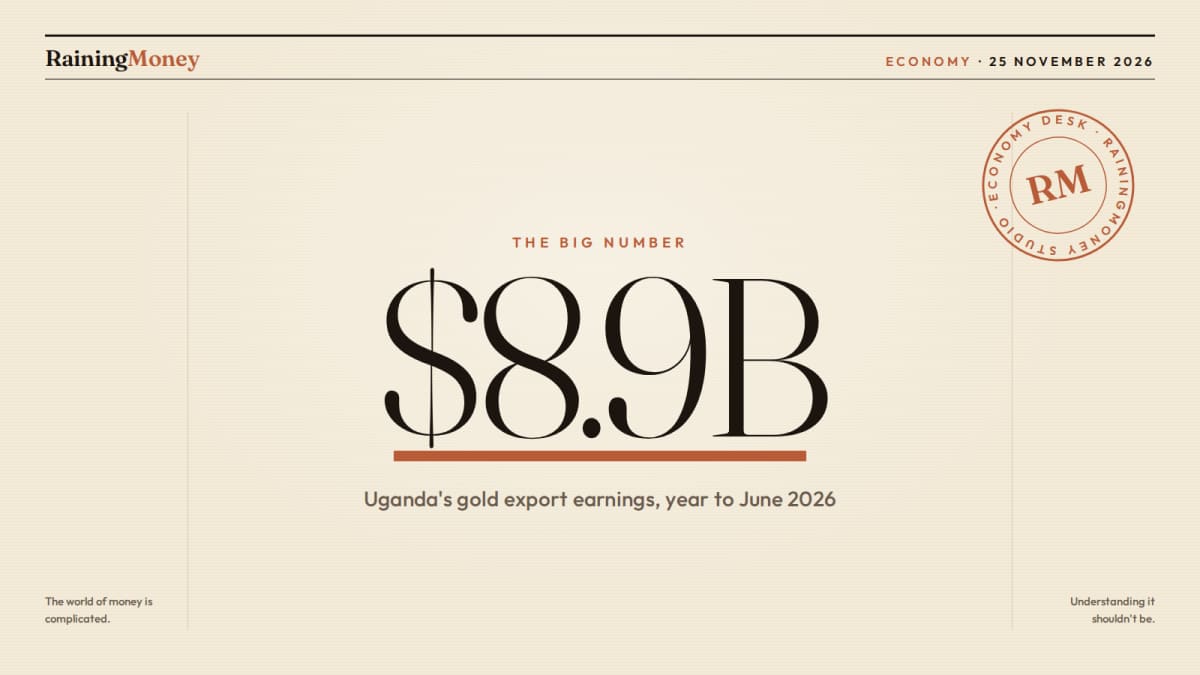
Uganda earned $8.9B from selling gold abroad in the financial year that ended in June 2026, more than double the $4.2B it earned a year earlier, according to a report from the country's finance ministry released on Monday, 23 November. The amount of gold shipped rose 42.8% to 70,088.99 kilograms, or about 70 tonnes.
The jump has revived an old question: where does the gold come from? Uganda mines some gold, but it is also a regional hub where gold is traded and refined. Critics, including an industry player quoted this week and United Nations investigators in the past, say much of the metal leaving Uganda was dug up across the border in the Democratic Republic of Congo. Ugandan authorities reject this. They say the gold traded and refined in the country comes from legitimate sources.
How big is the jump?
The figures from the finance ministry match earlier Bank of Uganda numbers: export value up about 112%, from $4.2B to $8.9B, and volume up from roughly 49 tonnes to 70 tonnes.
| Measure | Year to June 2025 | Year to June 2026 | Change |
|---|---|---|---|
| Export value | $4.2B | $8.9B | +112% |
| Volume | about 49 tonnes | 70,088.99 kg (about 70 tonnes) | +42.8% |
| Value per kilogram (derived) | about $85,600 | about $127,000 | about +48% |
The last row is derived: it divides the export value by the weight shipped. $8.9B divided by 70,089 kg is about $127,000 a kilogram, or roughly $3,950 per troy ounce (a kilogram is about 32.15 ounces). The year before, $4.2B divided by about 49,080 kg is about $85,600 a kilogram, or roughly $2,660 an ounce.
So the doubling has two parts. Uganda shipped about 43% more gold, and each kilogram fetched about 48% more. Put together, those two increases more than double the total. RainingMoney's reading: the higher price per kilogram mostly reflects the rise in the world gold price over the period, which lifts the earnings of every gold exporter. The extra volume is the part that needs explaining.
Why do people doubt the gold is Ugandan?
The finance ministry's figures do not say how much of the 70 tonnes was mined inside Uganda and how much came from neighbouring countries. That gap matters, because the volume rose by about 21 tonnes in a single year.
An industry participant told reporters that Uganda's own mines could not produce enough to explain the growth, and that more gold from Congo was probably entering Ugandan trading networks. That is one person's account and has not been confirmed by official data.
It echoes earlier findings. A United Nations group of experts said in July 2025 that gold smuggled out of Congo's Ituri province had significantly inflated Uganda's refining and export figures. Last month The Sentry, a US-based investigative group, published a report saying that an armed rebel group operating in eastern Congo earns most of its money from gold trafficked into Uganda's refining and export networks.
Ugandan officials have consistently denied that Congolese gold is smuggled through the country.
Who exports most of the gold?
A small number of refineries handle most of the trade. An analysis of export data published earlier this autumn found that one company, Thaba Investments, accounted for nearly half of Uganda's gold export value in the 12 months to June 2026. The same analysis found Thaba's exports fell to about $51M in July, its lowest monthly figure since January 2024.
That analysis also linked Thaba to African Gold Refinery (AGR), a refinery founded by the gold trader Alain Goetz, which the United States put under sanctions in 2022. It pointed to shared suppliers and a shared shipper. Thaba, its majority shareholder and Mr Goetz all deny any link, and no public document shows that Mr Goetz controls Thaba.
What is a gold hub, and why would gold pass through one?
A gold hub is a country where gold from many places is bought, melted down, refined to a standard purity and exported to buyers abroad. Once gold is melted and refined, it is very hard to tell which mine it came from.
Eastern Congo has rich gold deposits but weak state control, poor roads and many armed groups. Gold is small, valuable and easy to carry. Selling it across the border in Uganda can mean better prices, easier access to dollars and fewer questions. RainingMoney's reading: this is why rules on where minerals come from, sometimes called traceability, matter so much. Without them, an export boom in one country can hide a loss of revenue in another.
What does it mean for Uganda's economy?
Gold is now one of Uganda's biggest sources of foreign currency. Dollars from exports help a country pay for imports such as fuel and machinery and support the value of its currency, the Uganda shilling.
But earnings that depend on gold from outside the country are less dependable than earnings from home-grown production. If Congo tightens its border, if buyers abroad refuse gold with doubtful paperwork, or if the gold price falls, the dollars could shrink quickly. The fall in Thaba's exports to about $51M in July shows how fast one firm's shipments can change.
Why should a Nigerian reader care?
There are three reasons.
- Africa's mineral money. Across the continent, governments are trying to earn more from what lies under their soil. Congo itself has halted cobalt exports again. Uganda's figures show how hard it is to know who really benefits when minerals cross borders.
- Gold at home. Nigeria also has gold, much of it dug by small-scale miners outside formal channels. RainingMoney's reading: Uganda's experience shows that trade figures can rise sharply without telling you whether a country's own mining has grown, so headline export numbers need checking against what is actually mined.
- East Africa as a market. Nigerian banks, fintechs and investors are expanding into East Africa. The health of economies such as Uganda's, and how much of their foreign currency is solid, affects the risks those firms take.
What isn't known yet?
The finance ministry has not published a breakdown of how much gold was mined in Uganda. There is no official estimate of how much of the 70 tonnes came from Congo. Bank of Uganda figures for the months after June will show whether the July drop in Thaba's shipments carried through the rest of the year. Until those numbers appear, the $8.9B figure tells us how much gold left Uganda, and much less about how much Uganda produced.
Sources & Verification
- Sources: Bloomberg
- Editorial note: This explainer is an original RainingMoney adaptation of the report, RainingMoney has added explanatory context.

Correspondent, OnitshaOnitsha
Chiamaka Prudence
I am a technology and finance enthusiast with a keen interest in digital innovation, emerging financial trends, and the evolving ways technology is shaping businesses and everyday life. I enjoy…
Author profile & archive →The Money Print
Market intelligence before the market opens.
Pan-African capital flows and the stories behind the numbers, on weekday mornings.