MarketsMedium
Why South African shares had their best day in about seven months
South Africa's main share index jumped 3.7% on 5 November, its best day in about seven months. Gold miners and Naspers led the rise. Here is what moved, and why.
By Chiamaka Prudence Published 5 min read Editorial Policy Report a correction
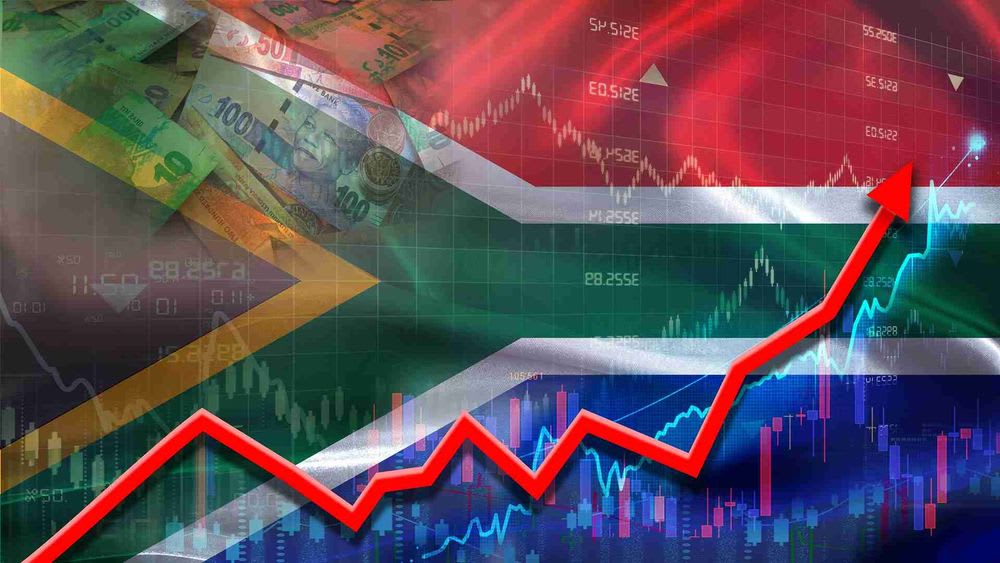
South African shares had a strong day on 5 November 2026. The main index, the FTSE/JSE All Share Index, closed 3.7% higher at 113,286.18 points. During the day it rose as much as 5.2%, its biggest intraday jump since 8 April. Gold miners and the technology investor Naspers did most of the lifting.
Why should a reader a care? Because the same forces move many markets: the price of gold, the price of oil, the strength of the dollar and the mood of global investors. This explainer walks through what happened and what it does and does not tell us. The figures come from one press report, with no primary data attached. They should be treated as unconfirmed until checked against the original.
What actually happened on 5 November?
The Johannesburg Stock Exchange (JSE) is South Africa's main share market. The All Share Index tracks the combined value of most of the companies listed on it. When the index rises, the average listed share is worth more.
One report says the index opened strongly and kept climbing. At its best it was up 5.2%. It ended the session up 3.7%. The market had been closed on 4 November for a public holiday, so the move also reflects news that built up while trading was shut.
The gain also came after a good week. The report says the index rose about 6.7% over the week. An emerging-market equity benchmark, which tracks shares in developing economies, fell 1.3% over the same period. So South Africa did far better than the group it is usually compared with.
What does a 3.7% rise look like in everyday terms?
An index is a score. It tells you how a basket of shares did, not what any one person earned. By our working (derived), a close of 113,286.18 after a 3.7% rise means the index stood at roughly 109,240 the session before. That is a gain of about 4,046 points. The 3.7% figure is rounded, so these numbers are approximate.
As a simple illustration, not a reported figure: if someone held shares that tracked the index exactly and they were worth ₦100,000, a 3.7% rise would add about ₦3,700. Real investments rarely match an index exactly. Fees, the mix of shares held and currency moves all change the result.
Why did gold miners jump?
Gold miners led the rally. The report says an index of precious metals miners gained as much as 8.8%. AngloGold Ashanti and Gold Fields were named among the companies that benefited.
The reason is simple. A gold miner digs up gold and sells it at the market price. If the price rises and the cost of mining stays the same, the gap between the two, the profit, grows. Investors often bid up the shares of miners quickly when gold rises, because the profit effect can be larger than the move in gold itself.
The report says gold climbed as much as 2.1% to about $4,128 an ounce on the day, after rising in the previous session too. An ounce is a small unit of weight, a little under 30 grams.
Why did gold rise?
The report links the rise to the US midterm elections. It says Democrats won control of both chambers of the US Congress, and that the US dollar and US Treasury yields fell as investors weighed what that means for government spending and tax policy. We have not checked these election claims against an official source, so they stand as one report's account.
Two terms need explaining. A Treasury yield is the interest rate the US government pays when it borrows. A weaker dollar means one dollar buys less of other currencies.
The report explains the link to gold in two steps. Gold pays no interest. When yields fall, savers earn less from safe government bonds, so holding gold looks less costly by comparison. And gold is priced in dollars, so when the dollar weakens, buyers using other currencies find gold cheaper, which can lift demand.
Why did Naspers surge?
Naspers rose as much as 13%, its biggest intraday gain since December 2023. It closed about 10.4% higher in Johannesburg, one of the biggest gainers of the day.
Naspers is a technology investor. The report says its exposure to Chinese technology comes through Prosus, which it says owns about 23% of Tencent Holdings. Tencent is a large Chinese technology company. On the day, the report says Tencent shares gained 7.2% in Hong Kong and Prosus rose 4.2% in Amsterdam.
This is a chain. Tencent's share price rises. The value of Prosus's stake rises with it. Naspers, which is tied to Prosus, rises in turn. The report does not say why Tencent shares rose, and we do not know. Naspers is also large in the index, so when it moves a lot, the whole index moves.
Did cheaper oil play a part?
The report says it did. It says Brent crude, the global oil benchmark, fell about 18% during the week. That is a large move, and it should be checked against market data before it is relied on.
The mechanism is straightforward. Diesel and electricity are big costs for miners and for companies that move goods by road. If fuel costs fall, profit margins, the share of each sale kept as profit, can improve. The report says precious metals producers gained from both higher gold prices and the hope of lower operating costs.
For readers in Nigeria, a general point: falling oil prices help countries and companies that buy fuel and hurt those that earn from selling it. The report does not discuss Nigeria, so this is general explanation and not part of the story.
Sources & Verification
- Source: AllAfrica
- Editorial note: This explainer is an original RainingMoney adaptation of the report. RainingMoney has added explanatory context.

Correspondent, OnitshaOnitsha
Chiamaka Prudence
I am a technology and finance enthusiast with a keen interest in digital innovation, emerging financial trends, and the evolving ways technology is shaping businesses and everyday life. I enjoy…
Author profile & archive →The Money Print
Market intelligence before the market opens.
Pan-African capital flows and the stories behind the numbers, on weekday mornings.