EconomyMedium
Senegal's Budget Standoff Delays Its $2.2B IMF Programme
Senegal's parliament rejected the first part of the 2027 budget and President Faye enacted this year's by decree, delaying final approval of a $2.2B IMF loan.
By Betini Udom Published 4 min read Editorial Policy Report a correction
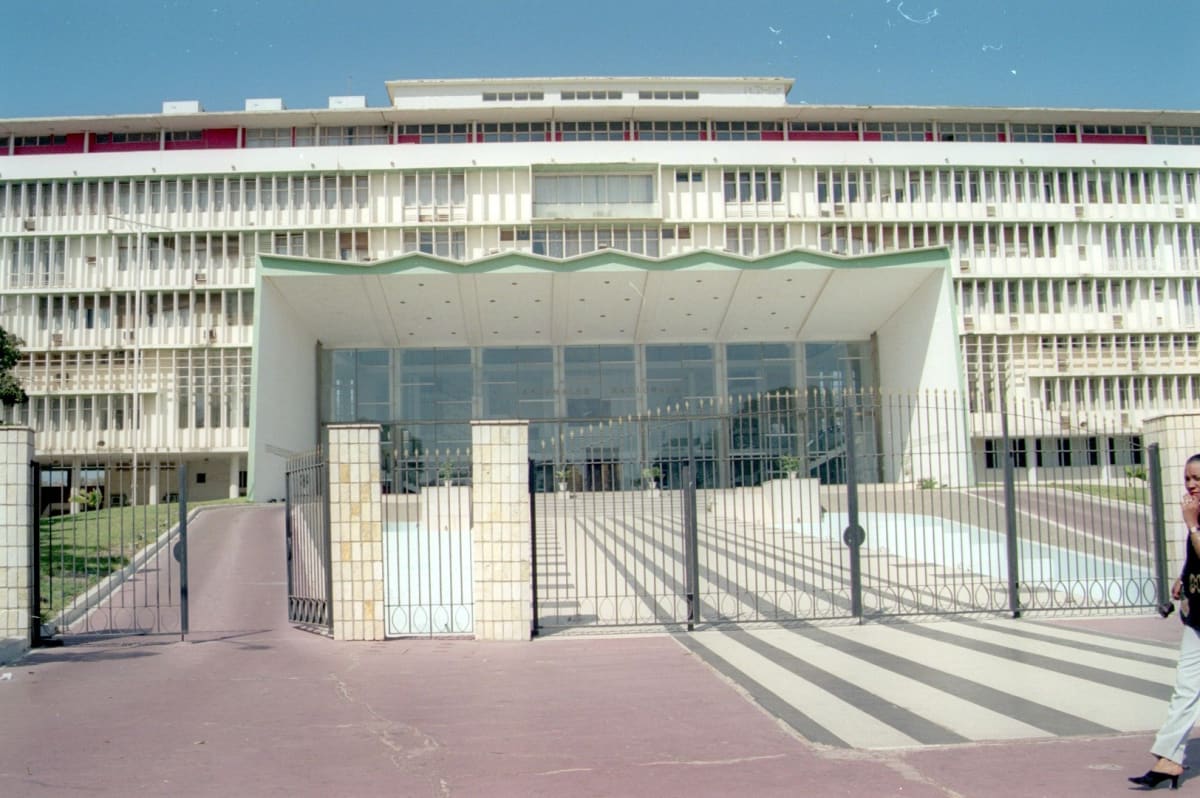
Senegal's parliament has thrown out the first part of the government's 2027 budget, and President Bassirou Diomaye Faye has answered by putting this year's revised budget into force by decree. The standoff, which came to a head on 18 and 19 November 2026, is holding up final approval of a $2.2B loan programme from the International Monetary Fund (IMF) that Senegal needs to borrow on world markets again.
What happened in Dakar this week?
On Wednesday, 18 November, lawmakers voted down the first part of the 2027 finance bill. That part sets out the government's forecasts for revenue, debt and total spending, and without it the rest of the bill cannot go forward. The speaker of the National Assembly, Ousmane Sonko, said there was then no need to vote on the second part, which covers spending by each ministry.
A day later, on Thursday, 19 November, President Faye enacted the revised 2026 budget by decree. Parliament had rejected that revised budget earlier this month, on 3 November.
The proposed 2027 budget is worth about $12.3B and trims spending as the government tries to meet the IMF's conditions. Finance Minister Cheikh Diba has warned that failing to pass it could delay social protection programmes and investment projects.
Why are the president and parliament fighting?
The fight is between two former allies. Mr Sonko served as prime minister until he was dismissed in May; he now runs parliament, where his Pastef party holds the majority. He opposes the government's plans to cut spending and to restructure Senegal's foreign debt, and he has demanded more openness about the state's finances. His party argues that households and basic public services would bear too much of the burden.
The government says it needs the cuts. The revised 2026 budget, worth about $13B, reduced public investment so it could pay for energy subsidies, which became more expensive after oil prices rose during the war in Iran. Prime Minister Ahmadou Al Aminou Lô said in October that the government would use "institutional and constitutional tools" to end the deadlock if it dragged on. The decree is one of those tools.
What does the IMF have to do with it?
A lot. Senegal's previous IMF programme was frozen in 2024, after the current government found that its predecessor had understated the country's debts and deficits. Estimates put the hidden debt at about $13B.
In September 2026 the IMF agreed in principle to a new three-year, $2.2B programme. It still needs approval from the Fund's executive board. IMF spokesperson Julie Kozack has set out what must happen first: Senegal must finish an agreed budget framework, correct the misreporting of the debt that was hidden, and secure financing assurances from its international partners. She also said the IMF is not a party to the talks between the government and the National Assembly.
In plain terms, the IMF wants to see a budget it can trust before it lends. A budget that parliament has rejected is hard to present as that.
| Item | Figure |
|---|---|
| Proposed IMF programme | $2.2B over three years |
| Proposed 2027 budget | About $12.3B |
| Revised 2026 budget | About $13B |
| Government debt, end-2025 | About $44B, roughly 100% of GDP |
| Estimated hidden debt found in 2024 | About $13B |
How worried are investors?
Senegal owed about $44B at the end of 2025, roughly the size of its whole economy in a year (100% of gross domestic product, or GDP, the value of everything the country produces). It is negotiating new repayment terms with creditors.
Bond prices show how nervous lenders are. A bond is a loan that investors can trade; when they doubt they will be repaid in full, they sell it for less than its face value. Some of Senegal's bonds traded at less than half their face value on 19 November. That means investors were paying under 50 cents for a promise to repay one dollar.
What happens next?
Parliament's deadline to pass the 2027 budget runs out in December. After that, Mr Faye could use his decree powers again to put next year's budget into force. Some analysts expect him to dissolve parliament first and call a parliamentary election for early 2027. Either path would keep the IMF board vote waiting for longer.
Why should a Nigerian reader care?
Senegal is one of West Africa's larger economies and a neighbour in the Economic Community of West African States (ECOWAS). Its troubles matter to Nigerian banks, investors and traders who deal in the region.
RainingMoney's reading: the bigger lesson is about trust. Senegal's crisis began when hidden debt came to light, and the price is still being paid two years later, in a delayed IMF loan and in bonds trading at deep discounts. Investors who lend to African governments, Nigeria's included, watch these cases closely, and governments that publish full and accurate debt figures tend to borrow more cheaply.
What we don't know yet
It is not clear whether a budget enacted by decree will satisfy the IMF's request for an agreed budget framework, or when the Fund's board might vote. Nor is it known whether Mr Faye will dissolve parliament, or how creditors in the debt talks will respond to the delay.
Sources & Verification
- Sources: Bloomberg
- Editorial note: This explainer is an original RainingMoney adaptation of the report, RainingMoney has added explanatory context.

Founder and Editor-in-ChiefAbuja
Betini Udom
Founder and Editor-in-Chief of RainingMoney. Covers Nigerian, pan-African and global markets, finance and economic policy.
Author profile & archive →The Money Print
Market intelligence before the market opens.
Pan-African capital flows and the stories behind the numbers, on weekday mornings.