FinanceMedium
Cardoso now chairs AFC. Here's what that is, and why the CBN's 38% stake matters
CBN governor Olayemi Cardoso is now chairman of Africa Finance Corporation's board. What AFC does, and why the CBN's 38% shareholding explains the appointment.
By Betini Udom Published 5 min read Editorial Policy Report a correction
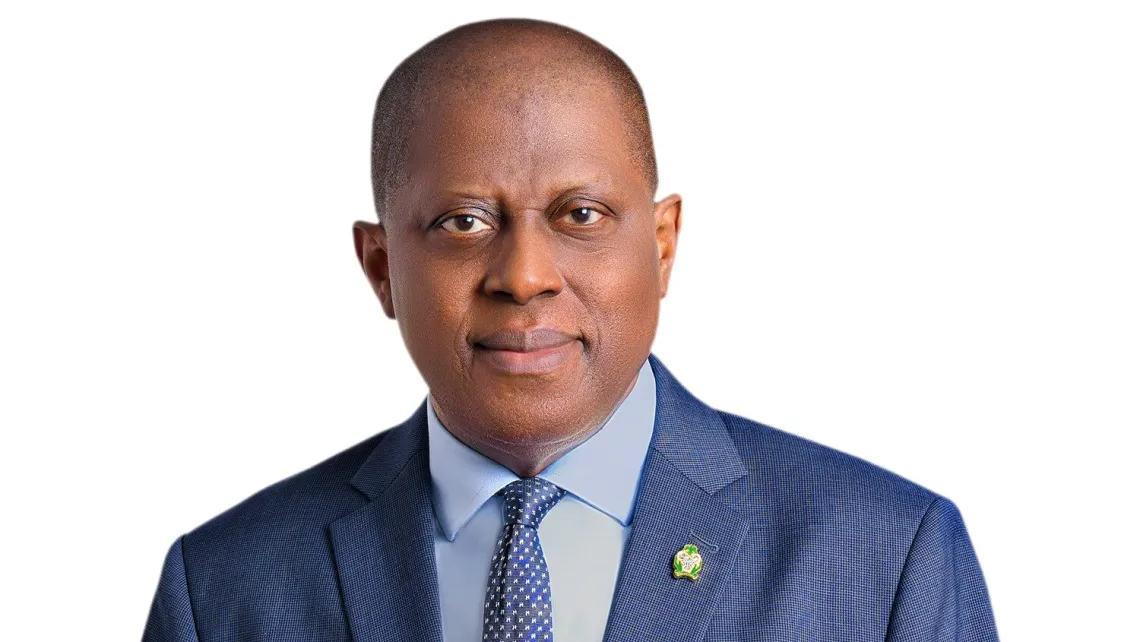
Olayemi Cardoso, the governor of the Central Bank of Nigeria, is the new chairman of the board of directors of the Africa Finance Corporation, an infrastructure lender based in Lagos. AFC announced it on Wednesday. He takes over from Ireti Samuel-Ogbu, who stays on the board as an ordinary member.
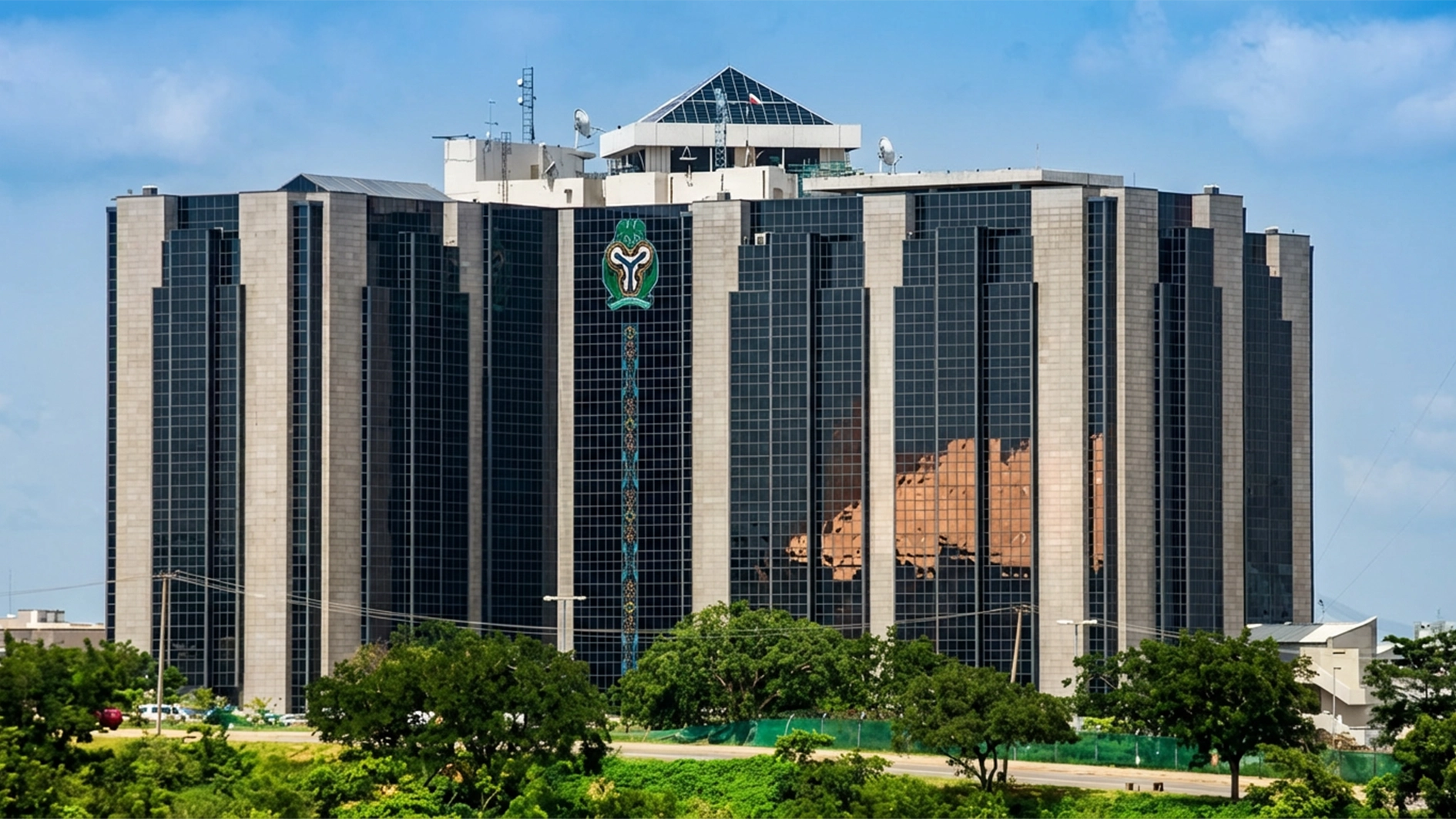
Read on its own, that sounds like a senior banker collecting another title. It isn't. The Central Bank of Nigeria is AFC's largest single shareholder, and the chairmanship has sat with CBN officials before. This is the bank's seat being filled — this time by the governor himself.
What is the Africa Finance Corporation?
It is a development finance institution — a lender set up to fund things ordinary commercial banks find too large, too long or too risky to finance alone. In AFC's case, that means African infrastructure: power plants, roads, ports, transmission lines, mines, industrial projects.
It was founded in 2007 and is headquartered on Osborne Road in Ikoyi, Lagos. By the end of 2025 it had 48 African member states. It says it has mobilised $18.5bn of financing for 36 African countries since it began — an average of roughly $1bn a year across its life. (Derived from AFC's own cumulative figure.)
It is not a Nigerian government agency and it is not a commercial bank you can open an account with. It is a multilateral institution, meaning several countries are members, and it lends across the continent rather than in one country.
So who actually owns it?
This is the part the appointment turns on.
Shrink AFC's ownership to ₦100. The Central Bank of Nigeria holds about ₦38 of it. The other ₦62 sits with private investors — commercial banks, pension funds, other financial institutions. (Illustration derived from the 38% shareholding.)
No other single shareholder comes close. So when the chair of the board changes, Nigeria's central bank is not a bystander. It is the biggest owner in the room.
There is a wrinkle worth knowing: of those 48 member states, only 16 actually hold equity. Two-thirds are members without being shareholders. (Derived.) Membership and ownership are different things at AFC, and the ownership is where the influence sits.
Has a CBN official chaired AFC before?
Yes, and more than once — which is why this is a continuation rather than a departure.
Sarah Alade chaired the AFC board while serving as the CBN's Deputy Governor for Economic Policy, and resigned the chairmanship in March 2017 when she retired from the central bank. She was succeeded by Joseph Nnanna, then the CBN's Deputy Governor for Financial System Stability. At that time the CBN's stake in AFC was reported at 42.5%, and Alade was described as representing the CBN on the board.
So the pattern is established. What has changed is seniority. The seat used to be filled by a deputy governor. It is now filled by the governor.
The CBN's stake has also drifted down over that period, from 42.5% to around 38% — about four and a half percentage points lower as AFC brought in outside capital. (Derived from the two reported figures.) Owning less of a bigger institution is normally a sign of success, not retreat.
What did the two sides actually say?
AFC's president and chief executive, Samaila Zubairu, framed the appointment around productive capacity — the idea that Africa's stability depends on its ability to make things rather than merely to borrow. He tied it to an AFC agenda the statement calls "The Africa We Build 2050".
Cardoso's own remarks ran along the same line: that a more productive Africa would be a more stable one, and that the measure of success should be the productive capacity created, the industries enabled and the jobs supported.
Both statements are about direction of travel. Neither contains a number, a target or a commitment, which is normal for an appointment announcement.
Who is Cardoso, briefly?
He has run the Central Bank of Nigeria since September 2023 — about three years. (Derived.) That tenure has been defined by the foreign-exchange overhaul, monetary tightening and the banking-sector recapitalisation.
Before the CBN he spent 12 years as chairman of Citibank Nigeria, and earlier served as Lagos State commissioner for economic planning and budget. He holds a degree from Aston University and a master's in public administration from the Harvard Kennedy School.
What to watch
This section is Rainingmoney's reading.
Whether AFC's Nigerian pipeline grows. A chairman who also runs Nigeria's central bank is unusually well placed to connect AFC capital to Nigerian projects. Watch where AFC's next large commitments land.
The two-hats question. Cardoso regulates Nigerian banks. Nigerian banks are among AFC's private shareholders and counterparties. Precedent exists for a CBN figure in the chair, and a chairman's role is oversight rather than deal-making — but how the two roles are kept apart is a fair thing to ask, and neither institution has published an answer.
Time and attention. The FX reform programme and the bank recapitalisation are both live. A board chairmanship is not a full-time job, but it is not nothing either.
AFC's own funding costs. S&P rated AFC A/A-1 with a positive outlook in January 2026. If that rating moves in either direction, it changes what AFC pays to borrow, and therefore what it can lend.
The bottom line: a shareholder took the chair. The useful question is not whether Cardoso is qualified — his record says he is — but what Nigeria intends to do with a lender it owns more than a third of.
Sources & Verification
- Appointment, succession and quotations from AFC statement.
- AFC ownership, founding, headquarters and membership from Africa Finance Corporation records.
- Credit rating, member-state and cumulative financing figures from Ecofin Agency.
- Prior CBN chairmanships and the 42.5% stake from Financial Nigeria.
The Money Print
Market intelligence before the market opens.
Pan-African capital flows and the stories behind the numbers, on weekday mornings.