EnergyMedium
Jackdaw gas field approved: the decision, the money and the argument it leaves behind
The UK approved the £2.1bn Jackdaw gas field for about 6% of North Sea output. The decision, the contested jobs figures, the Rosebank question and what's next.
By Janefrances Neche Published 6 min read Editorial Policy Report a correction
On Wednesday 21 October 2026, the UK government approved production at the Jackdaw gas field, about 150 miles east of Aberdeen in the Central North Sea. Energy Secretary Miatta Fahnbulleh agreed that the North Sea Transition Authority (NSTA), the regulator that licenses offshore oil and gas, could grant consent. The NSTA's chief executive, Stuart Payne, said consent was granted that day after what he called robust scrutiny.
The field is owned by Adura, the joint venture Shell and Equinor formed to hold their UK North Sea assets. Adura says gas could start flowing at the end of October, and Fahnbulleh says it will supply the UK from this winter.
This is Jackdaw's second approval. The first came in June 2022 under the previous Conservative government. That consent was struck down in early 2025 after campaigners challenged it, and the work of redoing it ran until a public consultation closed in August 2026.
In Simple Terms
The UK has said yes to new North Sea gas, for the second time, in a way that holds up in court this time.
The courts' objection was about counting. Under a 2024 UK Supreme Court ruling, a developer must include the emissions from burning the fuel it produces, not only the emissions from extracting it. Jackdaw's first approval had not done that. Shell filed a new assessment in September 2025, and the government has now decided it passes.
The surprising part is the politics. The governing Labour Party promised in 2024 to issue no new North Sea oil and gas licences. Supporters say Jackdaw is not new, because work began before Labour took power. Critics say that is a technicality.
The Money
How much: £2.1 billion of investment, according to Adura and the industry body Offshore Energies UK (OEUK).
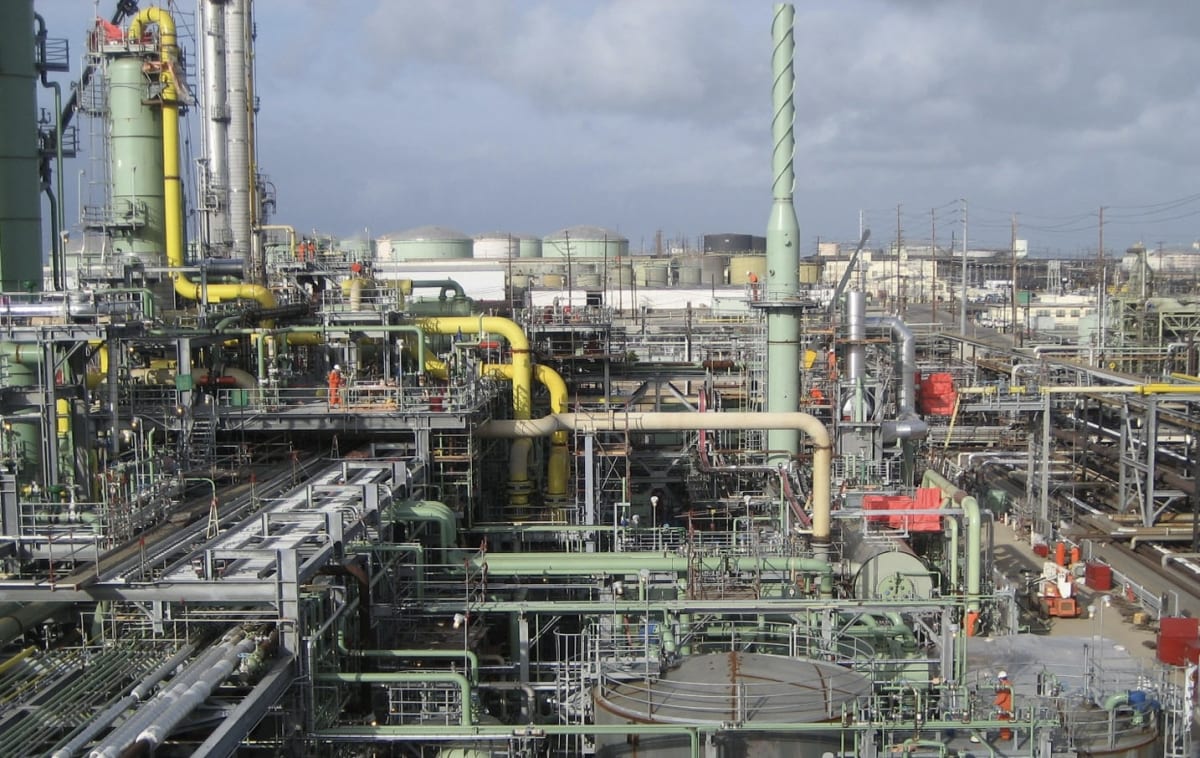
What it buys: a four-well tie-back, meaning the wells connect to existing infrastructure rather than needing a new platform, to the Shearwater platform, which has operated for more than 25 years. Gas then runs through the SEGAL pipeline system to the St Fergus terminal.
What the government expects: about £2.9 billion added to the UK economy, an estimate whose time period was not given in the reporting, over a field life of up to 11 years.
What changed for consumers: nothing directly. Fahnbulleh told LBC the decision "won't mean cheaper bills", and forecasts cited by the broadcaster suggest household gas and electricity bills could reach almost £2,000 a year from the start of 2027.
Where the tax goes: Chancellor John Healey has set up an Energy Wealth Fund with an initial £2 billion, using North Sea oil and gas tax revenues for renewable and low-carbon projects.
Follow the Money
Beyond the stated facts, the tracing below is Rainingmoney's reading.
Adura, Shell and Equinor. The owners get a field that is 99.9% complete, according to the Aberdeen and Grampian Chamber of Commerce, and a quick route to revenue.
Shearwater workers. The tie-back extends the platform's life, which is the basis of the 273 jobs Adura says it protects.
The Treasury. Oil and gas tax revenue, now earmarked in part for the Energy Wealth Fund. Conservative MP Harriet Cross wants the windfall tax, an extra levy on unusually large oil and gas profits, ended.
Households. No promised saving. The benefit, if any, is a lower chance of supply stress this winter.
Workers in other sectors. Unite's Sharon Graham backs the decision, saying the country cannot have a jobless transition. Renewable UK stays neutral on individual licences and argues homegrown clean power reduces exposure to volatile gas prices.
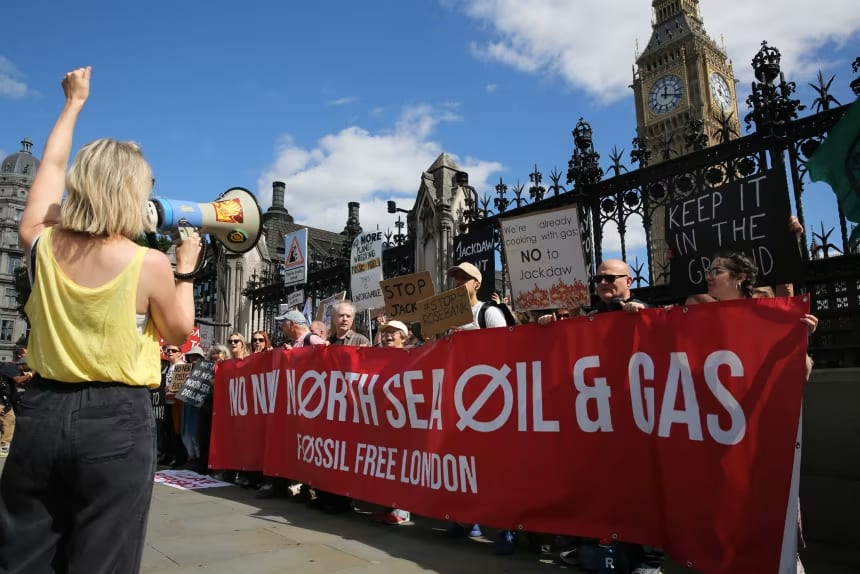
Who loses. Campaigners. Friends of the Earth Scotland says Jackdaw must be the last new field opened in the UK, and Green Party leader Zack Polanski called it climate vandalism.
The Bigger Picture
Jackdaw is a small field carrying a large precedent. The NSTA can now consider urgent cases for any field that can connect to existing infrastructure, and it has permission to consider a small number of out-of-round licences, meaning licences outside the normal cycle. The government also plans legislation for transitional energy certificates, a mechanism to keep supporting existing fields while still preventing exploration in new unlicensed areas. Aberdeen University's John Underhill says the decision sets a precedent for tying back other undeveloped gas discoveries.
Behind this sits the legal story. Shell and Equinor, which previously ran Jackdaw and Rosebank respectively, exited the UK North Sea and formed Adura. The courts' ruling in early 2025 meant both projects needed fresh approvals, and the government spent months deciding.
Rainingmoney context. Nigeria exports liquefied natural gas, much of it to Europe, so how European governments source gas affects the market Nigerian cargoes sell into. Shell, which sold its Nigerian onshore business to Renaissance Africa Energy in March 2025, offers a parallel: large oil companies concentrate capital where governments will let them build.
The Jargon
Tie-back — connecting a new field to a platform and pipelines that already exist, which is cheaper and faster than building new facilities.
Scope 3 emissions — the emissions released when a fuel is burned by its users, as opposed to emissions from producing it.
North Sea Transition Authority (NSTA) — the UK regulator that licenses offshore oil and gas.
Windfall tax — an extra tax on unusually large profits.
Out-of-round licence — a licence granted outside the regular licensing cycle.
Transitional energy certificate — a planned permit to keep supporting existing fields while blocking exploration in new areas.
What Happens Next
Known. Consent is granted. Adura says production could begin at the end of October. The Energy Wealth Fund starts with £2 billion. The government plans transitional energy certificate legislation.
Possible. Other tie-back gas projects use the same route. Gas supply this winter modestly cushions the UK against import exposure. Campaigners may seek further challenges, though none was reported.
Unknown. When Rosebank will be decided. Fahnbulleh says it will take a little longer, Adura's chief executive Neil McCulloch calls its case equally strong, and campaigners say it must be refused. Also unknown is the period behind the £2.9 billion estimate, whether any specific conditions were attached to consent, and whether the end-of-October start date will hold.
Rainingmoney's Take
Analysis, not reporting.
The honest reading is that Jackdaw was easy to approve and hard to explain. It was nearly built, it connects to existing pipes, and refusing it would have stranded £2.1 billion of work. The government can say, truthfully, that it is not opening a new field.
What it cannot say is that this helps households. Its own energy secretary ruled that out. The case therefore rests on security and jobs, and the jobs claims range from 27 to 300 depending on what you count.
The real test is Rosebank. It is far larger, mostly oil, and not nearly finished. If the government approves it, the manifesto pledge has been reduced to a licensing definition. If it refuses, Jackdaw becomes the exception that proved a rule.
For Nigerian readers, the pattern is the lesson. When energy supply feels exposed, producing governments rarely let a slogan outrank a supply gap for long.
Sources & Verification
- Based on same-day reporting by ITV News, LBC and Energy Voice on the UK government's approval of the Jackdaw gas field, with project and legal background from Offshore magazine and the Institute for Government.
- Editorial note: This explainer is an original RainingMoney editorial adaptation of the report. RainingMoney has added explanatory context too.

Correspondent, AbujaAbuja
Janefrances Neche
Janefrances is a finance correspondent specializing in emerging markets, consumer economics, and policy analysis. Most recently reporting for regional business desks, she has tracked shifting…
Author profile & archive →The Money Print
Market intelligence before the market opens.
Pan-African capital flows and the stories behind the numbers, on weekday mornings.