EnergyHigh
Niger has banned fuel exports. Here is what it means for Nigeria.
Niger has prohibited exports of petrol and diesel to keep supply at home. The surprise is how little fuel it has to export in the first place.
By Betini Udom Published 4 min read Editorial Policy Report a correction
Niger's Ministry of Trade and Industry has issued an order banning the export of petrol and diesel. Fuel produced in the country must now serve Nigerien drivers first. The order was signed by the trade minister, Abdoulaye Seydou, and reported on the ministry's official Facebook page on Saturday.
There is one gap left open. SONIDEP, the state fuel company, and SORAZ, which runs the country's only refinery, can still export surplus — but only with the minister's personal written approval.
Why would a country ban fuel exports?
Because fuel is the one import that stops everything when it runs out. No diesel means no generators, no trucks moving food, no mills, no boreholes.
Niger's stated reason is disruption in world oil markets. Brent crude — the benchmark most countries price against — briefly touched $110 a barrel on Friday, its first time that high since May, driven by the conflict involving Iran. Filling stations in Niamey, the capital, have been running short.
Niger is not alone. The order lands in a year when China, Thailand, Kyrgyzstan and Russia have all restricted fuel exports in some form. When oil gets expensive and uncertain, governments stop thinking like traders and start thinking like householders: keep what you have.
Does Niger even export much fuel?
This is the part that makes the story interesting, and it is where the official reason and the actual situation sit awkwardly together.
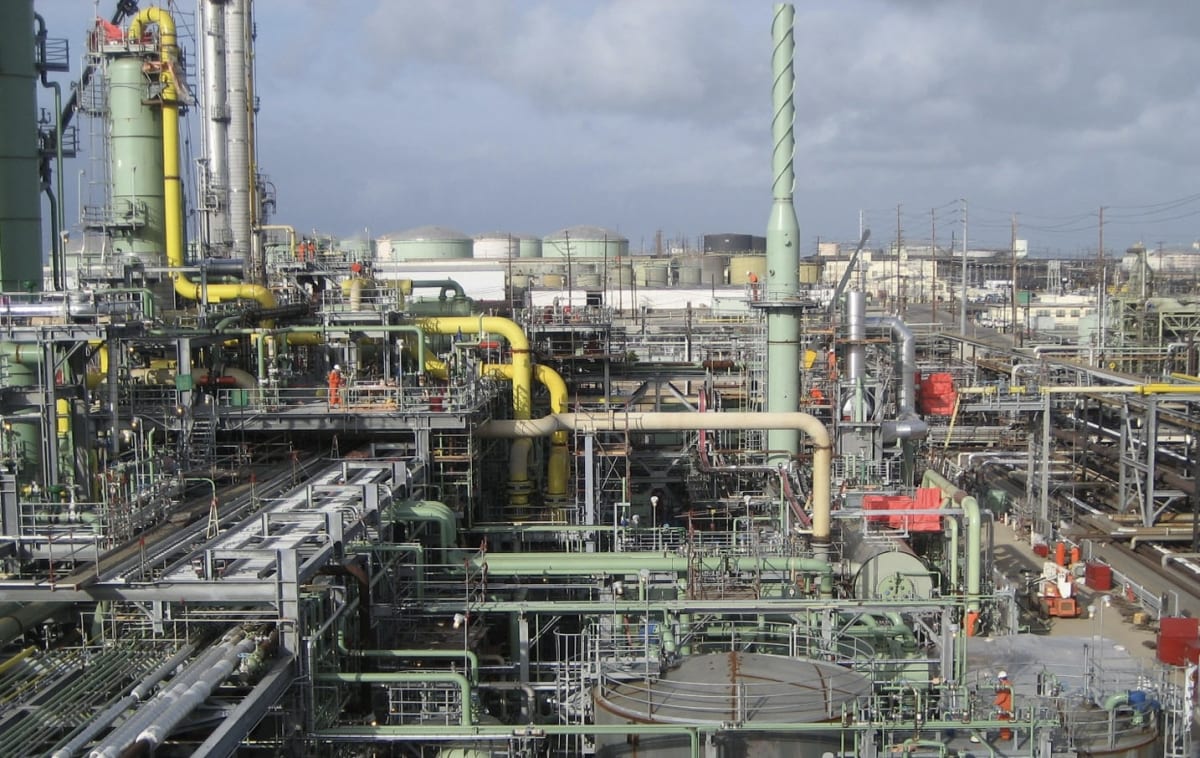
Niger's only refinery, SORAZ at Zinder, processes around 20,000 barrels a day. To put that in Nigerian terms, Dangote's refinery is built for 650,000 barrels a day — roughly 32 times larger. (Derived.)
And SORAZ has not been keeping up with Niger itself. During the country's fuel crisis, SONIDEP's commercial director told AFP the refinery was delivering about 25 tanker loads of petrol a day against a national requirement roughly twice that — covering about half the country's needs. (From earlier reporting; the current position may have changed.)
So Niger is banning the export of a product it does not produce enough of. That is less a trade policy than a padlock on a half-empty store.
Then where has Niger's fuel actually been coming from?
Largely from here.
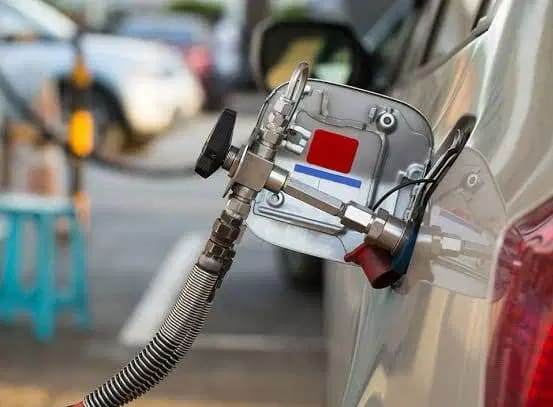
For years an informal cross-border trade carried Nigerian petrol north into Niger. It was never official and never measured, but it was substantial enough that when it thinned out, Niger felt it immediately — reporting on the crisis traced the shortages directly to the collapse of that black market supply from Nigeria.
The trade exists for one simple reason: price. In September, Aliko Dangote said on Arise TV that petrol was selling at ₦1,350 a litre in Nigeria while neighbouring countries were paying 30 to 50 per cent more, with Niger specifically 20 to 25 per cent above Nigerian prices. On those figures, a litre that costs ₦1,350 here costs somewhere around ₦1,620 to ₦1,690 across the border. (Derived from Dangote's percentages; he is an interested party in this argument, so treat the comparison as his claim rather than an independent measurement.)
Fill a 50-litre tank and that gap is roughly ₦2,700 to ₦3,400. (Derived.) Multiply it across thousands of vehicles and jerrycans and you have a trade that no border post has ever managed to close.
So does this ban affect Nigerians?
Not directly, and that is the point worth understanding.
The ban stops fuel leaving Niger. The flow that affects Nigerian pump prices runs the other way — out of Nigeria, into Niger. Niger's order does nothing about that, because it was never designed to.
The indirect effect is what matters. A Niger that is shorter of fuel is a Niger whose buyers are more willing to pay above the Nigerian price. That strengthens the pull on Nigerian supply at exactly the moment crude has gone above $100 and Nigerian pump prices are already climbing.
What to watch
This section is Rainingmoney's reading.
Whether the gap widens. Smuggling follows the price difference. If Nigerien prices rise while Nigerian prices lag, the incentive grows.
Whether the order has a date. As reported, the ban does not state when it takes effect, and the penalties are left to existing law. An order without a commencement date is hard to enforce and easy to quietly shelve.
Niger's refinery plans. In August, Niger signed a reported $1.9 billion deal with a Canadian group for a 100,000-barrel-a-day refinery. If built, that changes this story completely — but refineries take years, and this one has not been built.
The bottom line: Niger has locked a door that very little was passing through. The traffic that matters on that border has always moved in the opposite direction, and nothing announced on Saturday changes it.
Sources & Verification
- Based on on the ministerial order issued by Niger's Ministry of Trade and Industry.
- Regional price and supply context from Channels Television.
The Money Print
Market intelligence before the market opens.
Pan-African capital flows and the stories behind the numbers, on weekday mornings.