FinanceHigh
CBN Opens ₦700bn Treasury Bill Auction as Fiscal Debt Program Enters Final Q3 Sprint
The Central Bank of Nigeria tenders ₦700 billion in Treasury Bills, heavily weighted toward 1-year paper to fund net borrowing goals before Q3 closes.
By Betini Udom Published 2 min read Editorial Policy Report a correction
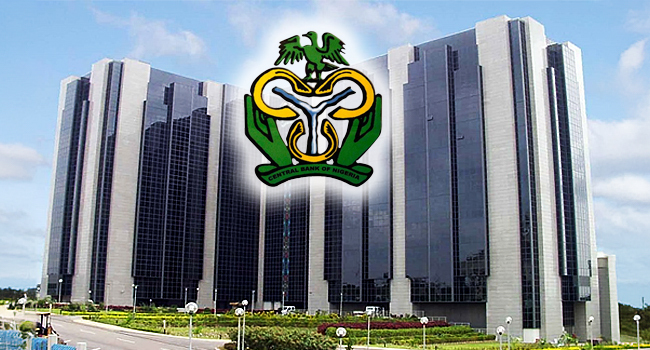
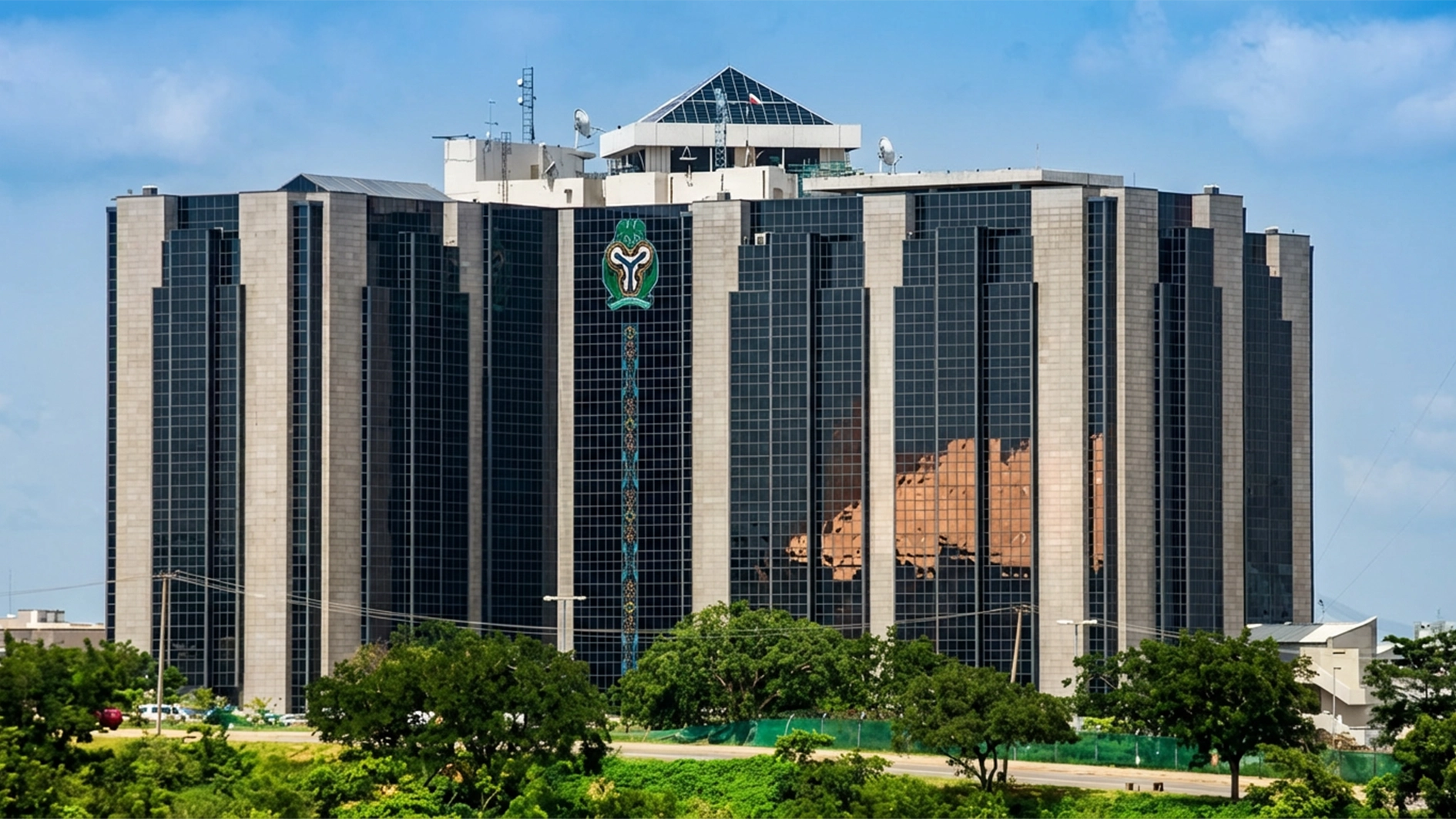
The Central Bank of Nigeria (CBN), operating on behalf of the Debt Management Office (DMO), has announced its flagship September 2026 Treasury Bill auction, offering ₦700 billion across three tenors. Scheduled for tender submission via the CBN S4 Web Interface on September 2 and settlement on September 3, the issuance forms a crucial pillar of the Federal Government's Q3 borrowing blueprint.
The transaction is overwhelmingly skewed toward longer-dated paper. Out of the ₦700 billion total offer, ₦500 billion (71.4%) is allocated to 364-day maturities, while the 91-day and 182-day tranches carry ₦100 billion each. This weighting mirrors the broader Q3 strategy, where 1-year bills make up ₦4 trillion—or 69 percent—of the overall ₦5.8 trillion seasonal issuance plan.
Money Market Dealers must submit bids in minimum denominations of ₦50.001 million, with the apex bank maintaining full discretion to adjust final allotments based on prevailing market liquidity. With ₦2.644 trillion in existing bills maturing across Q3, the current auction is key to realizing the government’s target of ₦3.16 trillion in net new domestic capital. Following the cancellation of the August 5 auction due to intense liquidity mop-ups from Open Market Operations (OMO), treasury desks are watching closely to see if stop rates will hold or trend higher.
RAININGMONEY EDITORIAL VIEW
WHY IT MATTERS (Continuation)
MARKETS IMPACT: Absorbing ₦700 billion in interbank funds will tighten system liquidity, putting upward pressure on interbank call rates.
CORPORATE IMPACT: Elevated risk-free yields make government debt more attractive to banks than private-sector lending, maintaining credit friction for corporate borrowers.
CONSUMER IMPACT: High money market yields pass through to retail deposit rates, keeping commercial loan and mortgage rates elevated for households.
FUTURE RISK: If investor demand lags and forces the CBN to raise stop rates higher, federal debt service commitments will expand rapidly over the next 12 months.
Sources & Verification
The Money Print
Market intelligence before the market opens.
Pan-African capital flows and the stories behind the numbers, on weekday mornings.