
CompaniesHigh
Uber leaves Nigeria after 12 years: why it quit, and who fills the gap
Uber switched off its Nigerian service on 2 September 2026. Here is what it said, why fuel, the naira and fares squeezed it, and how Bolt, inDrive and drivers are affected.
By Betini Udom Published Last edited 6 min read Editorial Policy Report a correction
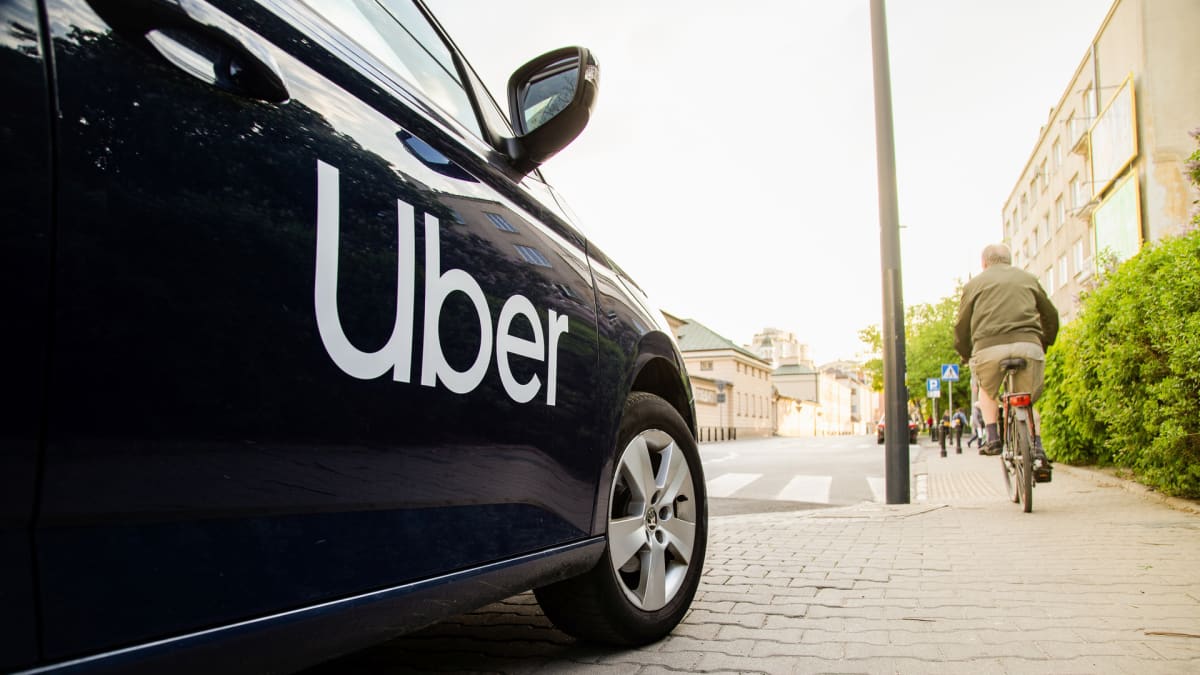
Uber has stopped operating in Nigeria. The company switched off its ride-hailing service in Nigeria and Uganda on 2 September 2026, ending a run that began in Lagos in 2014. "After a thorough review of our business, we have made the tough decision to wind down our operations in Nigeria and Uganda, effective 2 September 2026," the company said, according to The Africa Report.
For riders, the practical effect is fewer choices: Bolt, inDrive and local apps such as the Lagos State-backed LagRide are now the main options. For the thousands of drivers who used Uber, it means one less source of trips. And for anyone watching Nigeria's tech economy, it raises a hard question. Can app-based transport make money here at fares ordinary Nigerians can pay?
This explainer covers what Uber said, what it didn't say, and who is likely to fill the gap.
Why did Uber leave?
Uber's official explanation was brief. It said the decision came from a review of its "evolving business priorities and investment focus" across Africa, and that it applies only to Nigeria and Uganda, not its other African markets, as Techpoint Africa and Premium Times reported. According to Al Jazeera, Reuters found that Uber gave no specific financial reasons.
Analysts have filled the gap with the economics of the business. BusinessDay points to three pressures that have built up since 2023:
- Fuel. The removal of the petrol subsidy in 2023 sharply raised drivers' biggest daily cost.
- The naira. Its fall pushed up the price of cars and spare parts, most of them imported.
- Fares. Riders resist higher prices, because buses and informal taxis are always the cheaper fallback.
The platform sits between those two groups. If it raises fares, it loses riders. If it holds fares down, drivers earn less, and its own cut shrinks with them.
The exit was not sudden in context. Uber had already left Côte d'Ivoire in 2025 and Tanzania earlier in 2026, according to Al Jazeera. In Tanzania, the company had spent years in disputes with regulators over controlled fares and caps on commission. Uber still operates in South Africa, Kenya, Ghana, Egypt and Morocco.
Was it about the airport ban?
Uber says no. On 30 July 2026, the Federal Airports Authority of Nigeria (FAAN) told its airport managers to halt Uber and Bolt operations at FAAN-run airports until licence agreements were in place, ThisDay reported. On 27 August FAAN cleared Bolt to resume, while talks with other platforms continued, Parrot Nigeria reported.
When it announced the exit, Uber said: "The decision is not related to the recent FAAN directive concerning e-hailing operations at Nigerian airports," according to Techpoint Africa. FactCheckAfrica rated claims that the directive forced Uber out as misleading.
How big was Uber in Nigeria by the end?
It was smaller than many people assumed. African Business cites Sensor Tower, an app-analytics firm, which counted about 500,000 active Uber users in Nigeria in December 2025, against 3.3 million for Bolt. On those figures, Bolt had more than six times as many users (Derived.). One 2025 estimate cited by The Africa Report put Bolt's share of the Nigerian market at about two-thirds.
So the riders up for grabs are real, but Uber was no longer the market leader when it left.
Why are drivers so focused on commission?
A ride-hailing app's commission, or "take rate", is the share of each fare the platform keeps. The rest goes to the driver, who usually pays for fuel, maintenance and, often, a weekly payment on a financed car.
Rates differ widely between platforms:
| Platform | Reported commission | Pricing model |
|---|---|---|
| Uber (before exit) | Up to about 25% per trip | App sets the fare |
| Bolt | 20%, per its driver guide | App sets the fare |
| inDrive | 6.1%, excluding VAT | Rider and driver negotiate |
Commissions have been a running fight. Earlier in 2026, drivers in the Amalgamated Union of App-Based Transporters of Nigeria (AUATON) logged off Uber and Bolt for three days to protest low fares and commissions that in some cases stayed around 25%, BusinessDay reported.
What happened to Uber's drivers?
Drivers on Uber are independent contractors, not employees, so they had no right to severance pay. Uber offered eligible drivers a one-off "goodwill" payment and did not disclose the amount. Drivers told reporters it was ₦40,000, sometimes reduced by debts owed to Uber, Legit.ng reported, citing Techpoint Africa. Uber's help centre stayed open until 23 September for account questions.
Many Uber drivers also use Bolt or inDrive, so most can keep working. But fewer platforms means less room to switch when one cuts fares.
What has happened since?
Update, October 2026: three developments followed the exit.
- A regulator's inquiry. The Federal Competition and Consumer Protection Commission (FCCPC) opened an inquiry into how Uber left, focusing on services customers had not received, BusinessDay reported, citing the regulator's chief, Tunji Bello.
- Moove pulled out. On 8 October, Moove, which finances cars for ride-hailing drivers, said it was ending its Nigerian operations and handing eligible drivers ownership of vehicles worth more than ₦35 billion, The Guardian reported. Its co-founder linked the decision mainly to Uber's exit. According to Legit.ng, more than 9,000 Nigerians had used its drive-to-own and rental products.
- A strike against the remaining apps. AUATON's Lagos council began an indefinite strike against Bolt and inDrive on 12 October, demanding commissions of no more than 10% and a fare review, Legit.ng reported. Innovation Village reported on 16 October that the council had called it off after four days, while urging members to uninstall inDrive.
Who wins and who loses?
RainingMoney's reading: Bolt gains most in the short run, because it was already the largest platform and needs to change little to absorb Uber's riders. inDrive's low commission appeals to drivers, but the strike shows that a low take rate does not guarantee driver loyalty when fares feel too low. LagRide has the backing of the Lagos State government, which helps it in the country's biggest ride-hailing city.
The losers are harder to see. Riders lose a competitor that kept prices in check. Drivers lose bargaining power and, for Moove customers, a financing partner.
What to watch
- Whether Bolt or inDrive changes fares or commissions after the Lagos strike.
- The FCCPC's findings on Uber's exit and any orders it issues.
- Whether FAAN completes airport licence agreements with the remaining platforms.
- Petrol prices, which set the floor for what drivers need to earn per trip.
The bottom line
Uber did not leave because it lost a single battle. It left a market where fuel, the naira and price-sensitive riders squeeze every trip, and where it had already fallen far behind Bolt.
The apps that remain inherit Uber's riders, and the same squeeze. Whether any of them can pay drivers enough without pricing riders back onto buses is still unresolved.
Sources & Verification
- Uber Global Business Review Press Release (Sept 2026)
- National Union of App-Based Transport Workers of Nigeria (AUATON) Market Data
- Premium Motor Spirit (PMS) Retail Price Benchmarks (Abuja/Lagos)

Founder and Editor-in-ChiefAbuja
Betini Udom
Founder and Editor-in-Chief of RainingMoney. Covers Nigerian, pan-African and global markets, finance and economic policy.
Author profile & archive →The Money Print
Market intelligence before the market opens.
Pan-African capital flows and the stories behind the numbers, on weekday mornings.