MarketsHigh
FX Reserve Growth to $54bn: What It Means for Banking Stocks, Eurobonds, and Equity Allocations
As Nigeria's FX reserves reach an 18-year high of $54.08bn, we analyze the stock market sectors and fixed-income assets positioned for growth.
By Betini Udom Published 1 min read Editorial Policy Report a correction
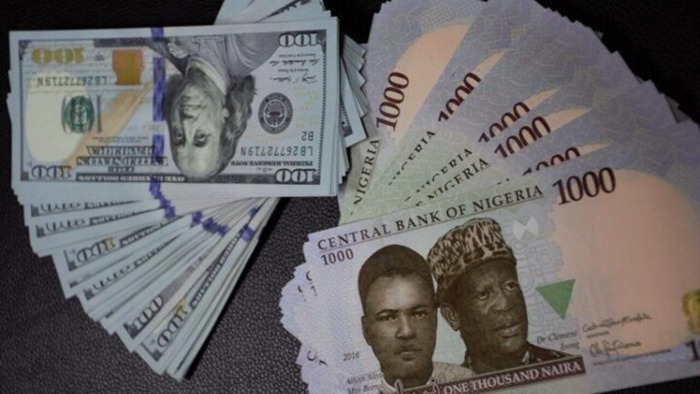
The foreign exchange market's early September performance—marked by a ₦8.21 appreciation in NAFEM and a surge in national reserves to $54.08 billion—presents a clear signal for institutional and retail investors rebalancing their Nigerian portfolios.
The fundamental shift in Nigeria’s liquidity profile impacts three primary asset classes:
1. Nigerian Sovereign Eurobonds:
Crossing the $54 billion reserve mark strengthens Nigeria’s debt service capabilities. Sovereign Eurobonds maturing across the mid-to-long curve are expected to see yield compression and capital appreciation as global rating agencies adjust their credit risk outlooks on West Africa’s largest economy.
2. Tier-1 Commercial Banking Stocks:
Major lenders (FUGAZ) stand to benefit from improved asset quality and reduced non-performing loan (NPL) risk among corporate borrowers with foreign currency debt exposures. While rapid Naira appreciation reduces revaluation gains on net open positions compared to prior years, the restoration of smooth FX repatriation mechanisms boosts cross-border trade commission revenues.
3. FMCG & Consumer Goods Equities:
Consumer goods companies that suffered severe foreign exchange losses due to unhedged dollar liabilities over recent financial quarters are nearing an earnings inflection point. A stable official rate near ₦1,321/$1, backed by strong central bank reserves, allows these firms to accurately forecast input costs and repair eroded profit margins.
Sources & Verification
- Nigerian Exchange Group (NGX) Banking & Consumer Goods Sector Indices
- Central Bank of Nigeria Reserve Statistics (Sept 2026)
- Debt Management Office (DMO) Eurobond Performance Indicators
The Money Print
Market intelligence before the market opens.
Pan-African capital flows and the stories behind the numbers, on weekday mornings.