EnergyHigh
Beyond Crude Exports: How IEA Partnership Anchors Nigeria's Push to Double Local Energy Capital
Nigeria's IEA associate status sets the stage to double 5-year energy investments, shifting focus to domestic refining, gas infrastructure, and grid power.
By Betini Udom Published 1 min read Editorial Policy Report a correction
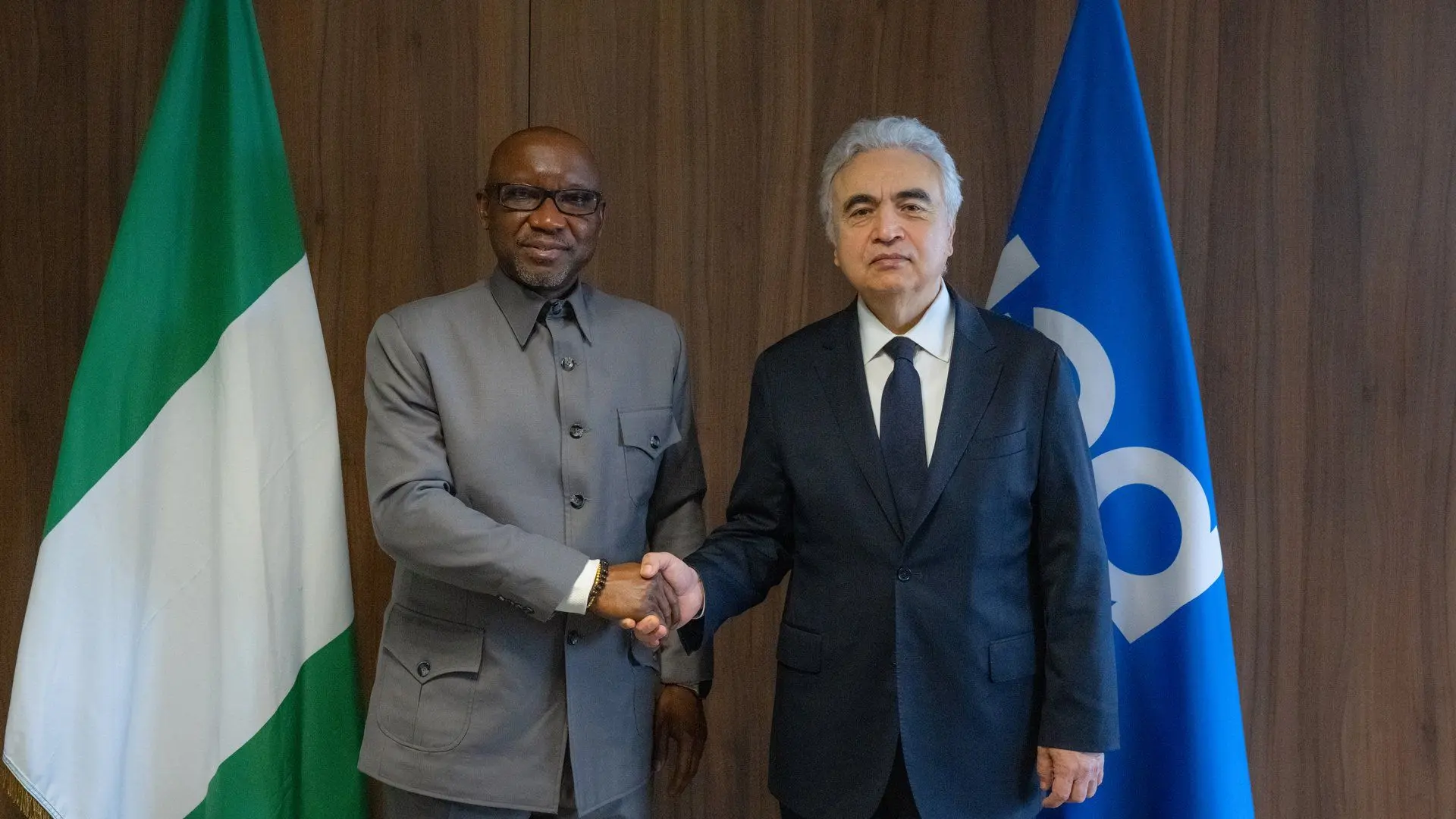
Nigeria's long-standing model of exporting raw crude oil while importing expensive refined products is undergoing a structural realignment. Following the unanimous approval of member nations—including the United States, Germany, Italy, and Japan—Nigeria has formally joined the International Energy Agency (IEA) as an Associate Country. Speaking in Abuja during the signing of the Joint Work Programme, IEA Executive Director Fatih Birol signaled a clear target: leveraging global investor networks to double total capital inflows into Nigeria’s energy ecosystem within five years.
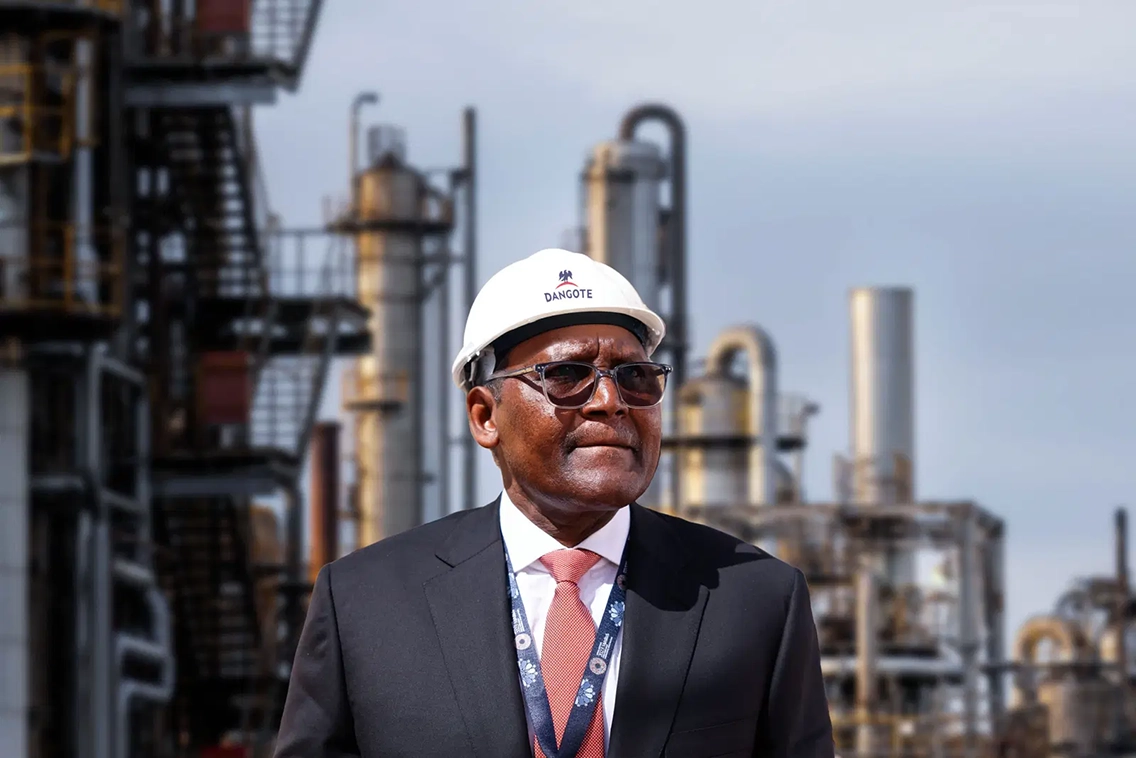
The strategy pivots on local value capture. Citing the 650,000-barrel-per-day Dangote Petroleum Refinery as a landmark blueprint for the continent, the IEA highlighted that African nations must process raw hydrocarbons domestically to retain economic margins. Beyond downstream refining, the joint initiative targets Nigeria's systemic power bottlenecks, establishing technical frameworks to modernize natural gas pipelines, accelerate solar grid tie-ins, and expand clean cooking solutions to the 65% of the population currently lacking access.
However, scaling capital from ambition to implementation requires overcoming chronic operational friction. To achieve the country's target of 3 million barrels per day (bpd) crude production by 2030, foreign investors require sustained security against crude theft and strict policy predictability. By binding national energy reporting to IEA data standards, Nigeria aims to eliminate the regulatory opacity that previously drove foreign capital to competing offshore basins.
Sources & Verification
- International Energy Agency (IEA) Joint Work Programme Protocol (Abuja Signing).
- Federal Ministry of Petroleum Resources National Crude Output & Electrification Statistics.
The Money Print
Market intelligence before the market opens.
Pan-African capital flows and the stories behind the numbers, on weekday mornings.