How Digital Payment Rails Are Driving Financial Inclusion Across Transit Corridors
CBN and state leaders target agent banking, USSD, and QR-code systems to bridge financial inclusion gaps across Nigeria's commercial transit corridors.
By Betini Udom Published 1 min read Editorial Policy Report a correction
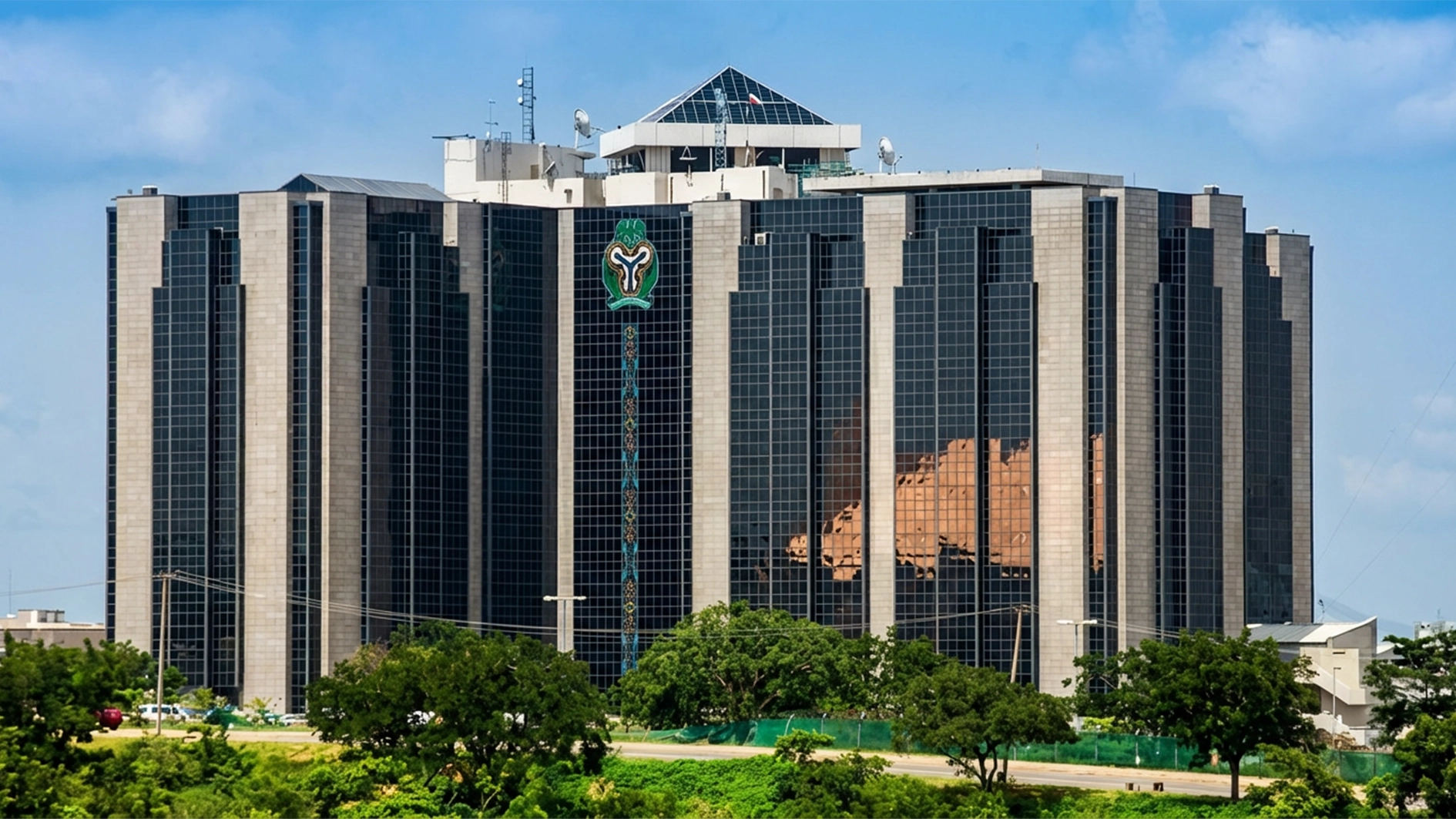
Addressing regional economic integration at the CBN Fair in Lokoja, Kogi State Governor Ahmed Usman Ododo and central bank officials highlighted alternative payment architecture as a vital lever for expanding formal banking into rural commerce. Speaking under the event theme "Driving Alternative Payment Channels as Tools for Financial Inclusion," stakeholders outlined plans to expand digital channel deployment across key transit corridors.
Kogi State's strategic geographic location—serving as a primary transit conduit between Northern and Southern economic hubs—makes it an ideal testing ground for scalable digital payment rails. State leadership pledged operational support to expand infrastructure for agent banking, mobile money operators, POS terminals, USSD channels, digital wallets, and QR-code clearing frameworks.
By transitioning cash-dominated rural and agricultural markets onto interoperable digital rails, the central bank aims to lower cash-handling costs while improving monetary policy transmission. For fintech operators and payment service banks, establishing agent density along high-volume agricultural and transit hubs represents a high-growth customer acquisition strategy for unbanked micro-enterprises.
The Money Print
Market intelligence before the market opens.
Pan-African capital flows and the stories behind the numbers, on weekday mornings.