CompaniesHigh
Dangote wants his refinery on Wall Street. Nigerians get first dibs.
Dangote plans a US listing after doubling his refinery to 1.4m barrels a day. What it means for the ₦2.15trn Nigerian IPO opening September 14.
By Betini Udom Published 3 min read Editorial Policy Report a correction
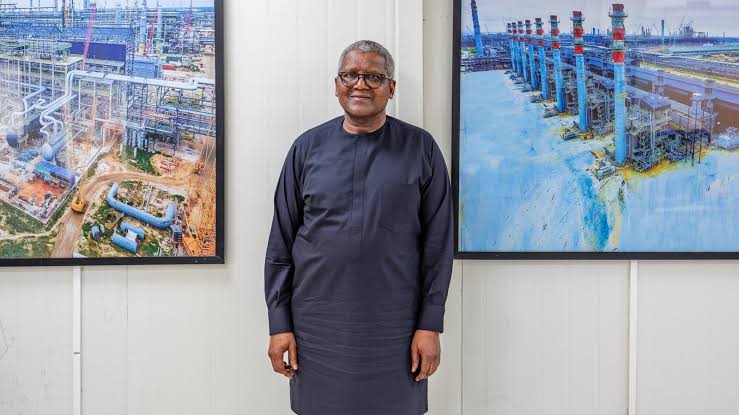
Aliko Dangote plans to list his refinery on a US stock exchange — but not yet. He told CNN the company will seek a US listing after it finishes an expansion that takes capacity from about 700,000 to 1.4 million barrels per day, which he expects to take around two and a half years.
Before that, the refinery lists at home. Its Nigerian IPO, billed as the biggest in African history, opens on September 14.
Why list in Nigeria first?
Dangote says he wants Africans to have the chance to own part of the refinery before US investors can. The offer is being marketed as a retail-friendly "people's IPO," aimed at ordinary Nigerian investors rather than just big funds.
What's actually on sale?
IPO detail
Shares on offer
4.1 billion
Price per share
₦525
Target raise
about ₦2.15 trillion ($1.63bn)
Minimum purchase
10 shares (₦5,250)
Offer period
September 14 – October 13, 2026
Expected start of trading
Late November 2026
Implied company value
about $47 billion
Put another way: if the whole refinery were worth ₦100, this IPO would sell about ₦3.50 of it. (Rainingmoney's estimate, derived from the $1.63bn raise against the ~$47bn valuation. Check the prospectus for the exact share of the company on offer.)
Reuters, citing the offer documents, reported that a greenshoe option allows up to 30% more shares to be sold if demand is strong.
Is the refinery making money?
It is now. According to the IPO prospectus, as reported by Reuters, the refinery earned an after-tax profit of $1.82 billion in the first half of 2026, after losing $476 million across all of 2025. Revenue for the six months was about ₦19.13 trillion ($13.91 billion), almost as much as the whole of 2025.
That means roughly 13 kobo of every ₦1 of revenue was left as profit in the first half. (Derived.) Reuters also reported that the plant has benefited from fuel supply disruptions linked to the Iran war. Conditions like that may not last, so one strong half-year is not a guarantee of the next.
What is the expansion, and why does it matter for a US listing?
The plan is to double capacity to 1.4 million barrels a day at an estimated cost of $14.3 billion, which would put the Lagos plant among the largest refining complexes in the world. Dangote says the enlarged refinery would make the group a major global supplier of jet fuel and diesel.
He has tied the US listing to finishing that expansion. By the time it happens, the company would have a longer record of production and profit to show US investors.
What to watch
This section is Rainingmoney's reading, not the company's.
Demand for the Nigerian offer. Whether the greenshoe is triggered will be the clearest sign of how hungry local investors are.
The expansion timeline. A $14.3 billion build over two and a half years is ambitious. Any delay pushes the US listing back too.
What a US listing means for Nigerian shareholders. A US listing could bring in more investors and more trading, but it could also mean new shares being issued. How that is structured will matter for anyone who buys in at ₦525.
Refining margins. First-half profits were helped by unusual market conditions. Watch whether the second half holds up.
This article is for information only and is not investment advice. Read the prospectus before investing.
Sources & Verification
- Aliko Dangote's interview with CNN. Financial figures from the IPO prospectus, as reported by Reuters and other outlets.
The Money Print
Market intelligence before the market opens.
Pan-African capital flows and the stories behind the numbers, on weekday mornings.