CompaniesHigh
InDrive and Bolt Move to Absorb Market Share as Uber Retreats from Nigeria
Uber's shutdown leaves thousands of active commuters and drivers up for grabs, accelerating a competitive shift toward low-commission ride-hailing apps.
By Betini Udom Published 1 min read Editorial Policy Report a correction
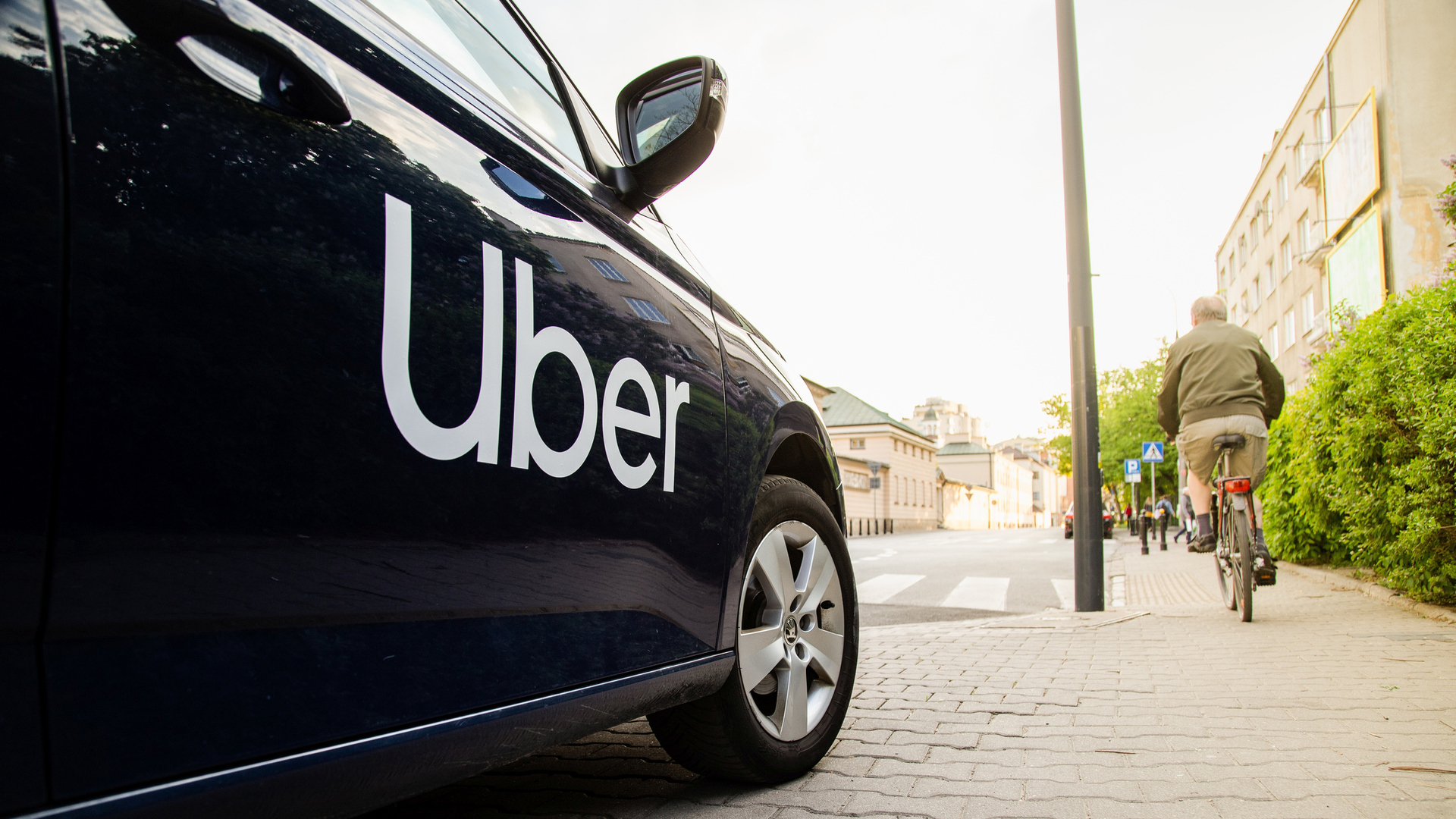
The exit of Uber from Nigeria has initiated an immediate scramble among remaining ride-hailing operators to capture market share, driver supply, and corporate client accounts. Companies like Bolt, InDrive, and regional entrants such as LagRide now stand to absorb a displaced user base seeking alternative options.
For years, Uber attempted to protect its brand positioning by enforcing strict vehicle age and quality standards. However, that premium positioning became its primary commercial vulnerability. As vehicle replacement costs surged alongside auto parts inflation, fewer drivers could afford to maintain vehicles meeting Uber’s requirements while paying a 30% commission per trip.
Competitors offering alternative monetization models capitalized on this strain. InDrive’s bid-based, low-commission structure allowed drivers to adjust trip pricing dynamically against real-time fuel costs, making it a preferred platform for gig workers treating ride-hailing as a primary income stream.
With Uber vacating the market, remaining platforms face a clear strategic test. While short-term ride volume will naturally flow to competitors, those platforms must manage vehicle supply constraints without diluting service standards or eroding driver profitability as operating costs remain elevated.
Sources & Verification
- Uber Global Business Review Press Release (Sept 2026)
- National Union of App-Based Transport Workers of Nigeria (AUATON) Market Data
- Premium Motor Spirit (PMS) Retail Price Benchmarks (Abuja/Lagos)
The Money Print
Market intelligence before the market opens.
Pan-African capital flows and the stories behind the numbers, on weekday mornings.