EconomyCritical
The Economic Cost of Choking Hormuz: How CENTCOM’s Tanker Strikes Threaten Global Energy Markets
US strikes on Iranian shadow fleet vessels escalate Gulf oil disruptions, threatening global energy supply chains and compounding inflation pressures.
By Betini Udom Published 2 min read Editorial Policy Report a correction
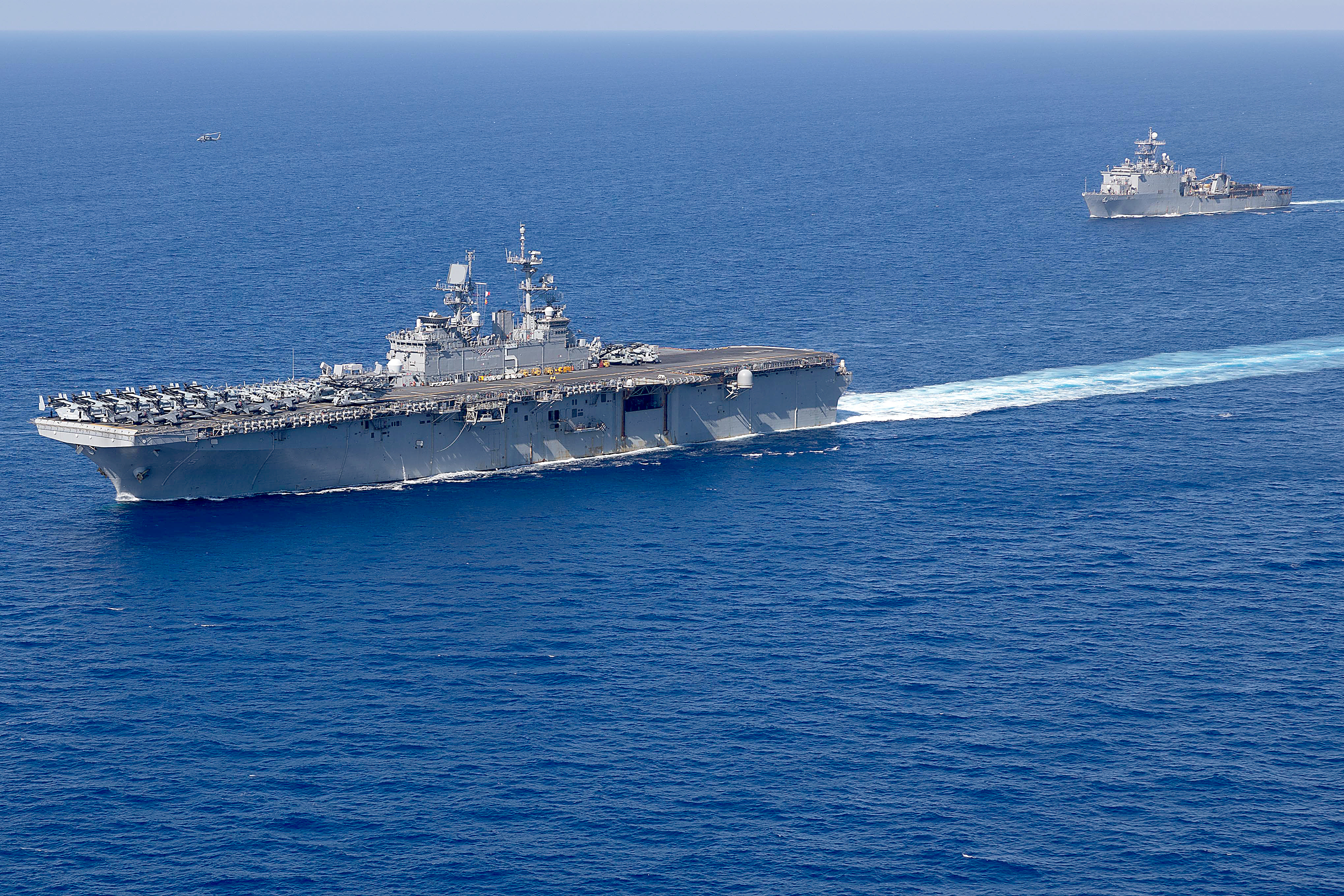
The United States military has escalated its direct confrontation with Iran by destroying three Iranian oil tankers in the Gulf of Oman and near Kharg Island. The strikes were launched in retaliation for alleged Iranian missile attacks targeted at American naval vessels amid a six-month deadlock over control of the strategic Strait of Hormuz.
Critical Military Actions & Targets
Targeted Tankers: US Central Command (CENTCOM) permanently disabled and destroyed three IRGC-linked crude oil carriers:
M/T Downy: Disabled off the coast of Kharg Island (Iran's primary oil export hub).
M/T Stark 1: Disabled near Jask.
M/T Kylo: An unladen tanker struck in multiple critical locations in the Gulf of Oman after the crew was ordered to abandon ship.
Economic Retaliation Strategy: CENTCOM Commander Admiral Brad Cooper stated the action was designed to directly cripple Iran’s shadow financing network: "If you shoot at two of our ships, we will impose an even higher economic cost-taking out three of yours."
Shadow Network Financing: The US military cited that the destroyed vessels formed part of a multibillion-dollar shadow fleet utilized to fund the Islamic Revolutionary Guard Corps (IRGC) and regional proxies.
Context & Escalation Timeline
Strait of Hormuz Deadlock: A fragile ceasefire collapsed in July following attacks on commercial shipping. Iran maintains a tight grip on the vital oil corridor, while the US is enforcing a naval counter-blockade around Iranian ports.
Preceding Iranian Strikes: Iran claimed responsibility for targeting US military bases in Kuwait and the United Arab Emirates, stating it was retaliation for a US air strike in a coastal town that allegedly killed four civilians at a wedding.
Iranian Strategy: Iran’s security chief, Mohsen Rezaei, warned that Tehran has adopted a "new strategy" aimed at shattering US foundations in the region.
Political & Economic Fallout
Energy Market Pressures: The disruption in the Strait of Hormuz—through which roughly 20% of global oil supplies traditionally flow—has driven up global fuel prices.
US Domestic Political Pushback:
Ahead of upcoming US midterm elections, the Trump administration has attempted to downplay the severity of the conflict, with President Donald Trump calling it "small potatoes" and Vice President JD Vance stating he "wouldn't call it a war."
However, Vance emphasized that Washington will not negotiate with Tehran until Iran completely halts attacks on commercial shipping in the Strait of Hormuz.
RAININGMONEY EDITORIAL VIEW (WHY IT MATTERS)
Markets: Energy equities surge on supply tightness, while transport and consumer discretionaries face margin compression.
Corporate: Global supply chains face elevated logistics costs as maritime shipping premiums escalate.
Consumer: Direct pass-through to retail gasoline and diesel prices erodes real household purchasing power.
Future Risk: Prolonged military blockades could trigger structural, long-term energy stagflation.
IS YOUR CAPITAL SAFE?
Capital Efficiency & Exposure: Sovereign bond yields and fixed-income assets face duration risk from inflation shocks. Investors heavy in long-duration growth equities should consider hedging against energy-driven inflationary spikes by allocating capital toward real assets, energy commodities, and defensive infrastructure plays
Sources & Verification
- US Central Command (CENTCOM) Operational Directives & Statements.
- US Energy Information Administration (EIA) Maritime Chokepoint Data.
- Global Tanker Tracking Data (TankerTrackers.com).
The Money Print
Market intelligence before the market opens.
Pan-African capital flows and the stories behind the numbers, on weekday mornings.