EnergyMedium
FG renews one million CNG vehicle target, but cheaper fares depend on more than a policy
The government wants one million gas-powered vehicles to ease transport costs after subsidy removal. The plan names no deadline or budget, and fares will only fall if savings reach passengers.
By Janefrances Neche Published 3 min read Editorial Policy Report a correction
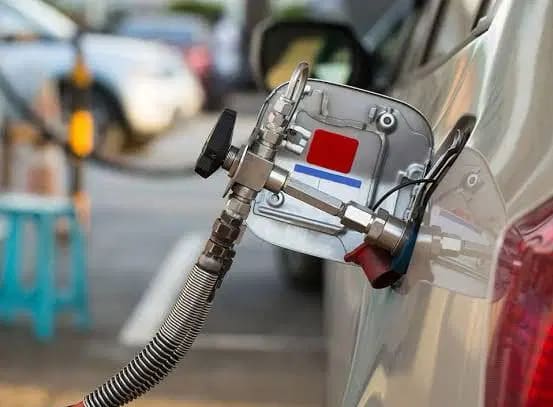
The Federal Government wants one million vehicles running on compressed natural gas (CNG) and says the aim is lower transport fares. The target is not new, but it has been pushed again. The announcement gives no deadline, budget or current count of CNG vehicles.
What did the government say?
The Minister of State for Petroleum Resources (Gas), Ekperikpe Ekpo, met officials in Abuja over the weekend. He received progress reports from the Presidential Initiative on CNG and Electric Vehicles and the Decade of Gas Secretariat. A statement from his spokesman, Louis Ibah, said he told both bodies to focus on key interventions, step up investment and expand CNG infrastructure.
CNG is natural gas stored under pressure so that it can fuel a car or bus. Ekpo said the government must turn its autogas policy into benefits for Nigerians, especially lower fares since the petrol subsidy was removed.
Why is this coming up now?
Punch reports that concerns over public transport costs have persisted since the subsidy ended in 2023. Removing it raised the cost of running petrol vehicles and added pressure on household incomes.
The statement does not say why the push was renewed this weekend. RainingMoney's reading: the timing fits the pressure on fares, but the filing of progress reports may simply be routine.
Is CNG actually cheaper?
Punch says CNG is generally cheaper than petrol on an energy-equivalent basis. That means a unit of gas delivers the same energy as a unit of petrol for less money. The article gives no pump prices for either fuel, so we cannot say how much a driver would save.
What has to go right for fares to fall?
Punch lists four conditions:
- Enough refuelling stations.
- Affordable vehicle conversion.
- Reliable gas supply.
- Operators passing savings on to passengers.
The last point matters most to commuters. A driver who spends less on fuel is not obliged to charge less. The article does not say how the government would make sure savings reach passengers.
Is there enough gas?
Ekpo said Nigeria has a gas reserves index of over 80 years. He also said domestic gas consumption has risen above two billion cubic feet per day for the first time. These are the minister's figures. The article does not say what period the consumption number covers or how much of it could go to vehicles.
What do we still not know?
- When the one million target is meant to be reached.
- How much money the government will spend.
- How many CNG vehicles and stations exist today.
- What the joint industry market study found. Initiative chairman Ismaeel Ahmed said it gives a framework to monitor progress and spot infrastructure gaps, but no findings were shared.
What does this mean for commuters?
For now, it is an intention, not a change in fares. Ahmed said the aim is to make CNG more accessible to operators and help reduce fares for millions of Nigerians. Whether that happens will show in two places: how many stations and conversion centres open, and whether bus and taxi fares in your area actually drop.
Sources & Verification
- Presidential CNG Initiative: FG targets one million CNG vehicles to cut transport fares.

Correspondent, AbujaAbuja
Janefrances Neche
Janefrances is a finance correspondent specializing in emerging markets, consumer economics, and policy analysis. Most recently reporting for regional business desks, she has tracked shifting…
Author profile & archive →The Money Print
Market intelligence before the market opens.
Pan-African capital flows and the stories behind the numbers, on weekday mornings.