EconomyHigh
The Great Capital Reallocation: Why Nigerian Banks Are Ditching Oil for Agriculture
Bank credit to Nigerian oil and manufacturing fell by over N11 trillion combined as agriculture surged 23% in Q1 2026. Inside the macro shift reshaping Nigeria’s GDP growth.
By Betini Udom Published 2 min read Editorial Policy Report a correction
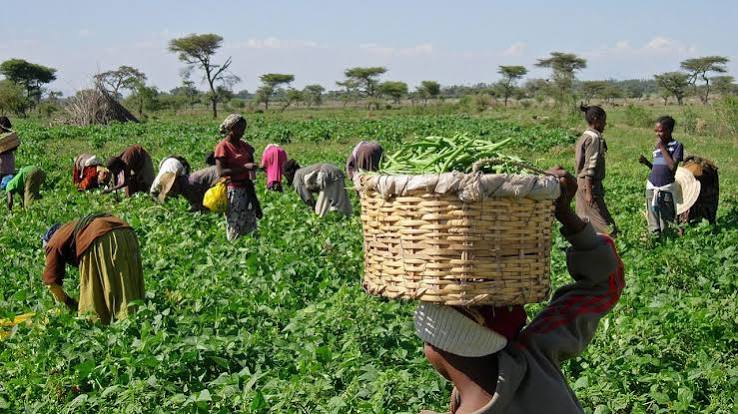
For decades, the credit architecture of Nigeria’s financial sector followed a predictable formula: direct the vast majority of private sector liquidity toward oil extraction and urban manufacturing, leaving agriculture with token allocations. First-quarter 2026 banking data suggests that long-standing dynamic is finally breaking down.
According to CBN sectoral credit figures, bank exposure to agriculture reached N3.86 trillion by March 2026, pushing total Q1 sector funding to N11.38 trillion. Meanwhile, lending to manufacturing fell from N6.57 trillion in January to N5.77 trillion in March. Combined with an ongoing pull-back from oil and gas loans, commercial capital is moving toward the real domestic economy.
This structural rotation aligns with broader macroeconomic momentum. Nigeria’s real GDP growth accelerated to 4.39 percent in Q2 2026 (up from 3.89 percent in Q1), anchored by stronger underlying output in agriculture. Given that agriculture contributes more than 23 percent to national GDP and employs over 30 percent of the country’s workforce, the sector has historically suffered from a severe financing gap relative to its economic footprint.
Economists note that higher food demand and elevated import costs have turned local agricultural value chains into viable import-substitution plays. By reallocating capital away from foreign exchange-dependent industries like traditional manufacturing and heavy oil projects, banks are aligning portfolio growth with national food security priorities and local demand dynamics.
RAININGMONEY EDITORIAL VIEW
WHY IT MATTERS
MARKETS & CAPITAL ALLOCATION: The contraction of over N11 trillion in combined lending to oil, gas, and manufacturing indicates that banks are de-risking from capital-intensive, FX-vulnerable sectors. Capital is pivoting toward domestic production chains backed by policy guarantees.
CORPORATE & BANKING BOTTOM LINE: Concessionary structures like the CBN's CACS allow commercial lenders to capture a steady 7% interest spread (borrowing at 2%, on-lending at 9%). However, because banks absorb 100% of the default risk, balance-sheet safety depends heavily on rigorous underwriting.
CONSUMER IMPACT: Increased value-chain liquidity strengthens local food production and off-take capacity. Over time, this helps stabilize retail food prices and reduce domestic reliance on costly food imports.
FUTURE RISKS TO WATCH: The current lending pace may hit structural limits unless supported by robust agricultural insurance, storage infrastructure, security, and private off-take agreements. Without these, any pullback in central bank intervention funds could expose banks to elevated credit default risks.
Sources & Verification
- FCMB Group Plc Q1 2026 Interim Financial Disclosure
- Fidelity Bank Plc Q1 2026 Financial Disclosures
- Sterling Bank Plc Q1 2026 Financial Disclosures
The Money Print
Market intelligence before the market opens.
Pan-African capital flows and the stories behind the numbers, on weekday mornings.