EconomyHigh
The CBN decides... Here's everything that goes into that decision
Bank of America expects the Central Bank to begin cutting rates next week. This is the full picture - the data behind the call, the arguments against it, and who feels the outcome.
By Betini Udom Published 5 min read Editorial Policy Report a correction
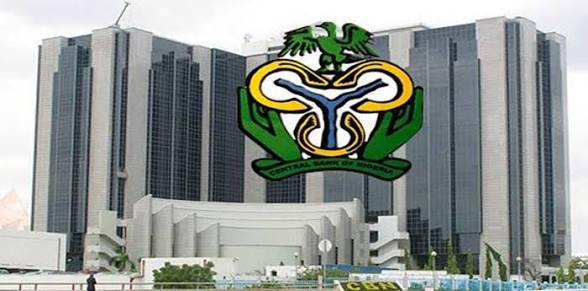
Bank of America has told clients it expects the Central Bank of Nigeria to begin an easing cycle — a run of interest rate cuts — when its Monetary Policy Committee meets on Monday and Tuesday.
The forecast rests on two developments. Inflation slowed in August for the third month running, to 15.39% from 15.43% in July, helped by food prices easing to 19.57% in their first decline in about six months. And the naira has gained roughly 8% this year, holding steady through a period of global tension.
Analyst Raghav Adlakha wrote that these conditions leave <q>room for the Central Bank of Nigeria to begin cautiously easing monetary policy</q>.
It would be Nigeria's first cut since February. The committee has met five times this year and moved once, taking the benchmark rate from 27% to 26.50%.
In Simple Terms
The CBN sets a benchmark interest rate. It raises that rate to make borrowing expensive, which slows spending and cools rising prices. It lowers the rate when it decides prices are under control and the economy needs the relief more.
For two years Nigeria has been in the first mode. A rate cut would be the first formal sign of a shift into the second.
One large American bank thinks that shift starts next week. It is a prediction, not an announcement, and the CBN has said nothing.
The Money
A benchmark rate is not what any individual pays. It is the anchor that commercial lending rates are set against, and Nigerian lending rates sit well above it.
Here is the scale of the move being discussed. February's cut was half a percentage point. On ₦1 million of borrowing, half a point is about ₦5,000 a year. (Derived, and illustrative only — actual loan rates are set by banks and are considerably higher than the benchmark.)
That arithmetic is the point. A single cut of that size changes almost nothing on any individual balance sheet. What it changes is direction — and for a business deciding whether to borrow for equipment over five years, direction is the number that matters.
Follow the Money
Who a cut would reach, and how. Beyond the report's own statement about businesses, this is Rainingmoney's reading.
Businesses, most directly. The report notes companies have been caught between high inflation and high interest rates, a combination that has been squeezing manufacturers hardest. Cheaper credit eases one side of that.
Borrowers with existing loans, slowly and partially. A benchmark cut does not automatically reprice a loan. Whether it reaches your statement depends on your bank and your loan terms.
Savers and fixed-income investors, in the other direction. Rates falling means the returns on treasury bills and fixed deposits fall too. The people who benefited most from two years of high rates are the ones who lose first when they turn.
Households, last and least directly. Interest rates reach ordinary spending through business investment and employment rather than through prices on a shelf. Food at 19.57% will not fall because the CBN cut by half a point.
The Bigger Picture
Nigeria's rate cycle has been unusually still. Five meetings, one move — a committee that has preferred waiting to acting, in a year when global conditions gave it reason to.
The naira's strength is what makes this moment different from earlier ones. In an economy that imports a great deal of what it consumes, a firming currency pulls imported inflation down on its own and removes the main risk of cutting, which is that money leaves the country chasing better returns elsewhere and drags the currency down with it.
That is why a forecast built on a four-kobo move in headline inflation is not as thin as it sounds. The exchange rate is doing much of the work.
The Jargon
Monetary Policy Committee (MPC) — the CBN committee that sets Nigeria's benchmark interest rate. It meets roughly every two months.
Easing cycle — a run of rate cuts rather than a single one. Central banks usually move in sequences, not in isolated steps.
Benchmark rate — the anchor rate that commercial lending rates are priced against. Not the rate you personally pay.
Disinflation — prices still rising, but more slowly. Not the same as prices falling.
Basis point — one hundredth of a percentage point. February's cut, from 27% to 26.50%, was 50 basis points.
What Happens Next
Known. The MPC meets Monday and Tuesday. The benchmark rate is 26.50%. August inflation was 15.39% and food inflation was 19.57%. Bank of America expects easing to begin.
Possible. A cut, a hold, or a hold with language signalling that a cut is near. Analysts are split, and the report says so. If a cut comes, its size will say more than the cut itself.
Unknown. What the CBN will actually do — no committee member has signalled publicly. How far rising pump prices will feed through to transport and food. How much election-related spending will add to demand, and when it lands.
Rainingmoney's Take
Analysis, not reporting.
Read this as an argument, not a forecast to bank on. A research note is a bank's considered view for its clients, and Bank of America has no more access to the CBN's committee room than anyone else.
The honest read of the data is that the direction is real and the distance is small. Three months of slowing is a trend; four hundredths of a percentage point in the most recent month is not much of one. Sitting against that are two forces — fuel prices and election spending — that push the other way and have not arrived yet.
If the committee holds on Tuesday, it will not be because the disinflation isn't real. It will be because waiting one more meeting costs very little, and cutting into an election spending surge could cost a great deal.
Sources & Verification
- Bank of America's forecast and inflation data from the National Bureau of Statistics.
The Money Print
Market intelligence before the market opens.
Pan-African capital flows and the stories behind the numbers, on weekday mornings.